
TEAM REFLECTIONS
Why Systems Change Needs a Long-Term Commitment
As our strategic plan outlines, systems change—addressing the structural causes of inequities and racism—has been a key priority of our grantmaking since 2018. These structural inequities are a root cause of poor health outcomes, and achieving health equity requires addressing the policies, practices, and power dynamics that uphold them.
Residents in HCF communities called for a foundation focused on transformational partnerships and long-term change.
Informed by residents’ voices and lived experiences, our plan challenged us to move away from philanthropy’s legacy of limited accountability to grantee partners and the communities they serve. Since 2018, crises that have affected us all have disproportionately impacted communities in our service region. The COVID-19 pandemic hit especially hard in the 67% of our region made up of Black and Latiné residents, who experienced higher rates of cases and deaths, highlighting longstanding health and socioeconomic inequities. The racial reckoning following George Floyd’s murder further exposed deep-rooted racial tensions, particularly between Black and non-Black Latiné residents in our service region. Meanwhile, shifts in federal policies, namely immigration policy, have heightened fear and mistrust among the 25% of our population who are immigrants.
These moments reinforced HCF’s belief that movements and systemic change work led by and accountable to communities require sustained and parallel investments in people, places, and priorities identified by those directly impacted.
A Model for Impact
One long-standing HCF partner advancing this work is Brighton Park Neighborhood Council (BPNC). As a grantee partner since 2018 and part of our first and second multi-year funding cohorts, BPNC has led community-informed, justice-oriented policy advocacy in our region.
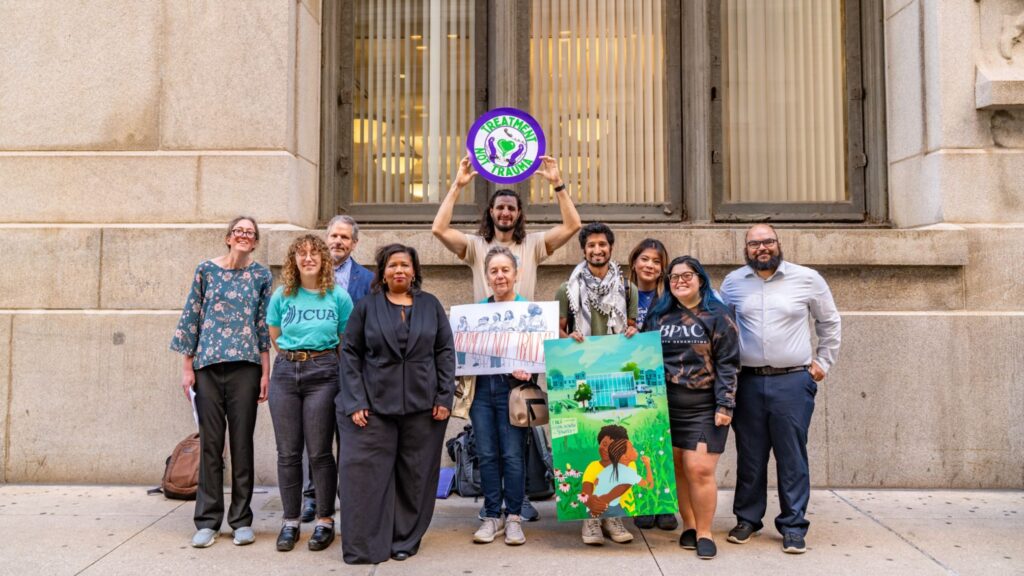
They led the creation of Treatment Not Trauma, a community-led initiative that calls for investing in public health infrastructure to address mental health emergencies through care and support rather than criminalization. This campaign has mobilized thousands of community members from historically disinvested Chicago neighborhoods—many within our region—to organize and advocate for these vital public health investments.
Since 2023, BPNC’s sustained organizing has led to major milestones: the reopening of three city-run mental health centers and the launch of a pilot non-police crisis response program by the City of Chicago.
Sustained Giving, Sustained Change
These milestones are well worth celebrating. Still, it has taken this campaign eight years of dedicated issue education, organizing, and advocating to see tangible steps towards addressing the enormous disparity in available mental health supports across Chicago.
These hard-won changes show why multi-year support for systems change work is essential and why we hope our funding model contributes to a greater shift in philanthropy toward sustained investments in community-led work for a healthier and more equitable future for our service region.