
A Look Back at 2025
Challenges Across Our Region This Year
Communities across our region faced compounding challenges caused by federal actions, economic strain, and barriers to essential services. Unfortunately, we expect the effects of these challenges to continue to unfold beyond 2025.
Some key developments that shaped local community health and well-being this year include:
- Heightened Federal Scrutiny on Nonprofits: The nonprofit sector faced unprecedented federal scrutiny, including investigations, threats to tax-exempt status of organizations, and funding disruptions, creating sector-wide uncertainty. Many across the country scaled back DEI efforts, limited advocacy, or were impacted by anti-LGBTQIA+ policies. Despite these challenges, locally, our partners stayed focused on their missions, and we provided responsive support to keep their work moving on the ground.
- Federal and State Actions Affecting Access to Care and Safety: In July, Illinois ended the Health Benefits for Immigrant Adults program, cutting Medicaid-like coverage for 32,000 IL residents aged 42-64, including over 10,000 in Cook County, and placing a financial strain on Federally Qualified Health Centers. Federally, H.R. 1 (2025) codified soon-to-be implemented cuts to Medicaid and restrictions to other public benefits programs, such as SNAP. These historic cuts to the social safety net, along with the impending increases in ACA insurance premiums, will likely have devastating consequences for the health and well-being of our service region, our state, and country.
- Immigration Enforcement Creating Fear: Aggressive immigration enforcement fueled fear and instability in our region. This environment discouraged families from seeking essential services, heightened emotional stress due to detainments, led to dangerous interactions with immigration enforcement, and created economic hardship for people and local small businesses. Yet, communities mobilized to defend immigrant rights, expand mutual aid, and ensure families were not left alone in moments of crisis.
- Setbacks for Housing and Homelessness Programs: Critical services for unhoused individuals were jeopardized following a July executive order that criminalized homelessness and cut funding for Housing First and harm reduction programs, undermining our partners’ ongoing efforts to address systemic housing instability. New federal HUD rules will also significantly reduce funding for permanent supportive housing in Illinois, putting more than 8,500 formerly unhoused people (many with disabilities or chronic health needs) at risk of losing stable housing. Together, these actions reverse progress towards evidence-based, compassionate responses to homelessness and create immediate challenges for local providers, including several of our grantee partners.
- Government Shutdown Uncertainty and Food Assistance Cuts: When the government shutdown ended in early November, nearly two million Illinois residents finally received their full SNAP benefits after weeks of delays and reductions. Food insecurity surged sharply during the SNAP disruption, causing Chicago-area food pantries in our region to experience a threefold increase in demand, especially in the hardest-hit communities, such as Austin and North Lawndale, where almost half of residents rely on SNAP. New federal work requirements effective in December further restrict eligibility, deepening inequities and increasing pressure on local organizations to meet the growing demand for food.
HCF Highlights
2025 Grantmaking At-A-Glance
Grant Totals
$4,450,000 · 32 organizations
$1,785,000 · 37 organizations
$770,000 · 8 organizations
$212,600 · 13 organizations
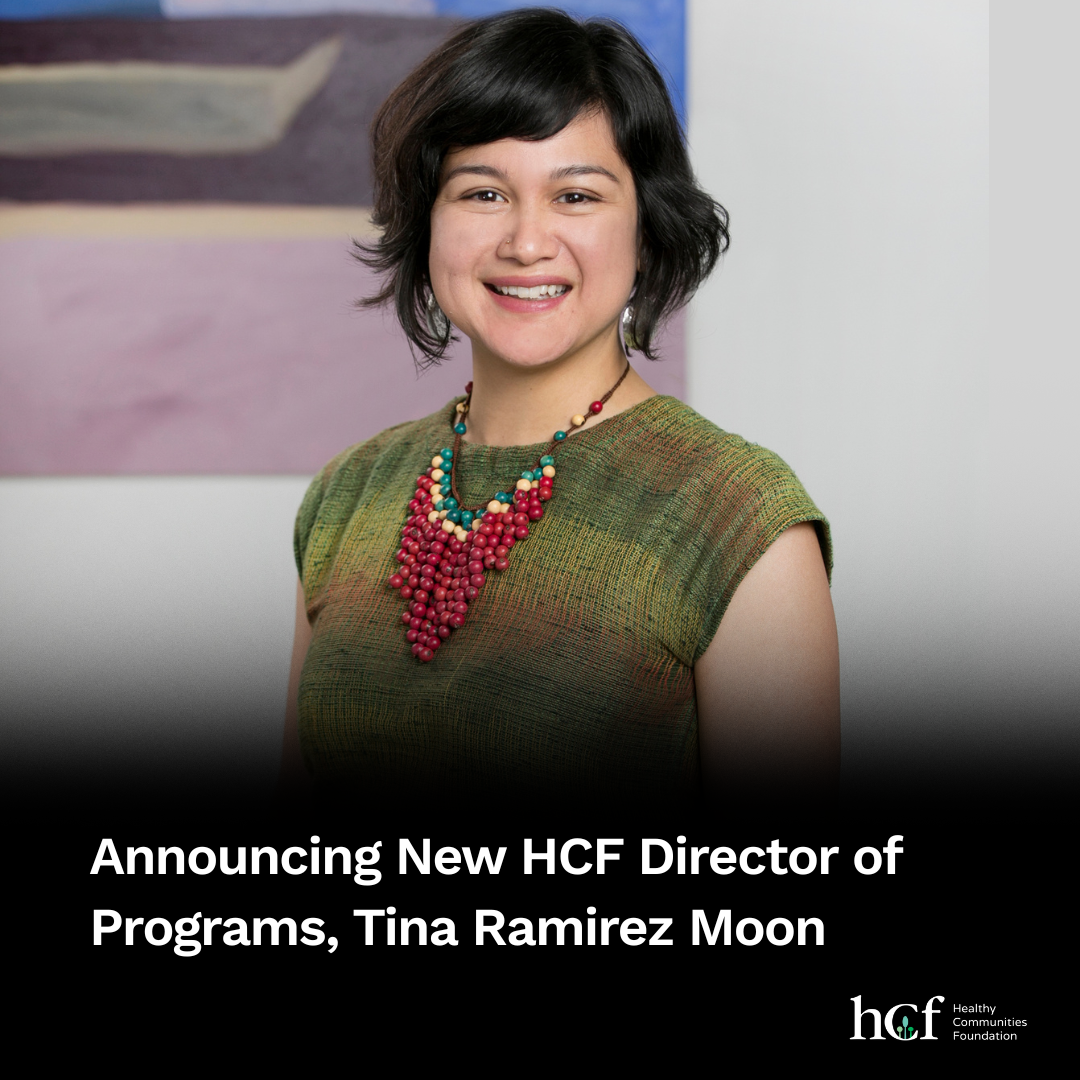
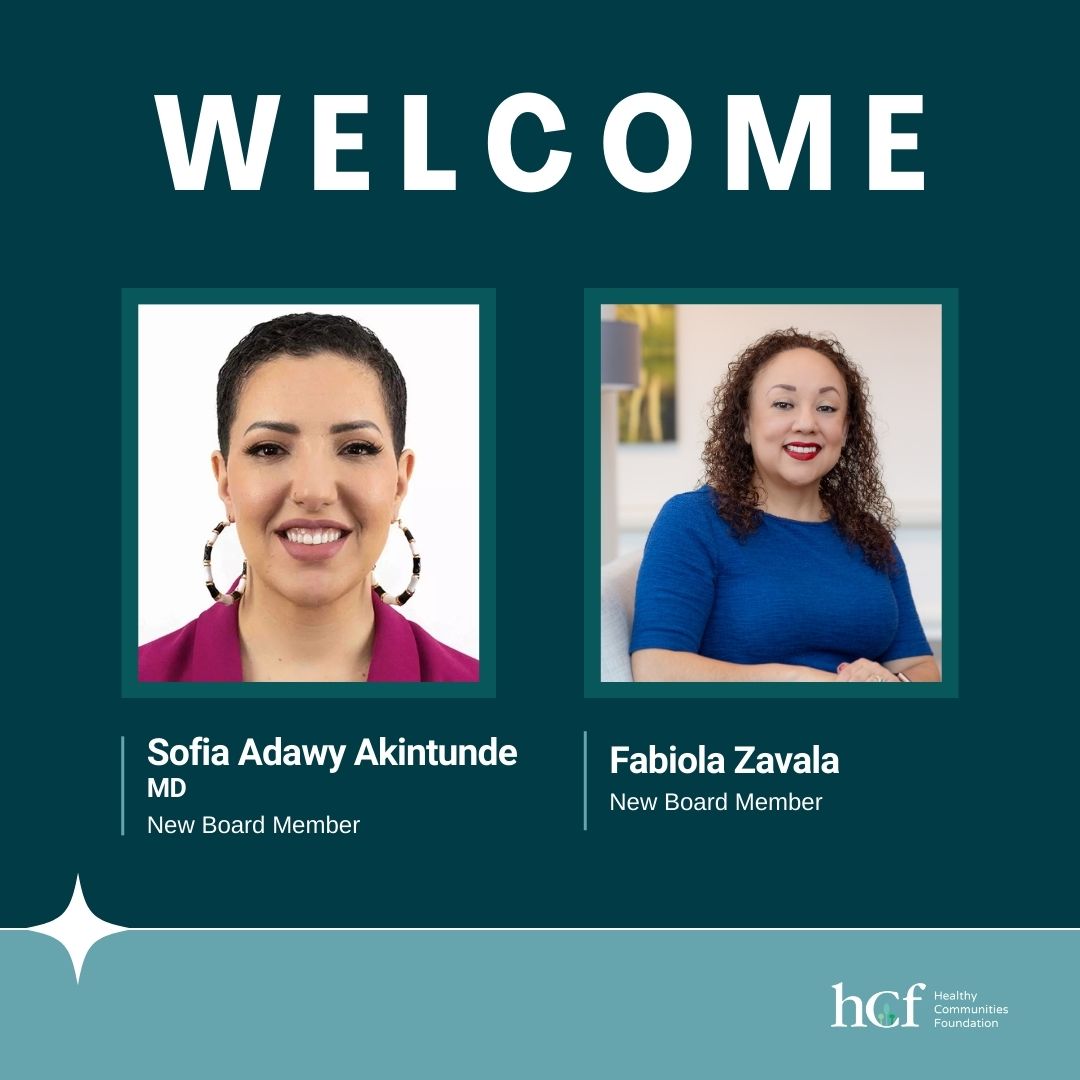
Board & Staff Transitions

Learning From Our Partners
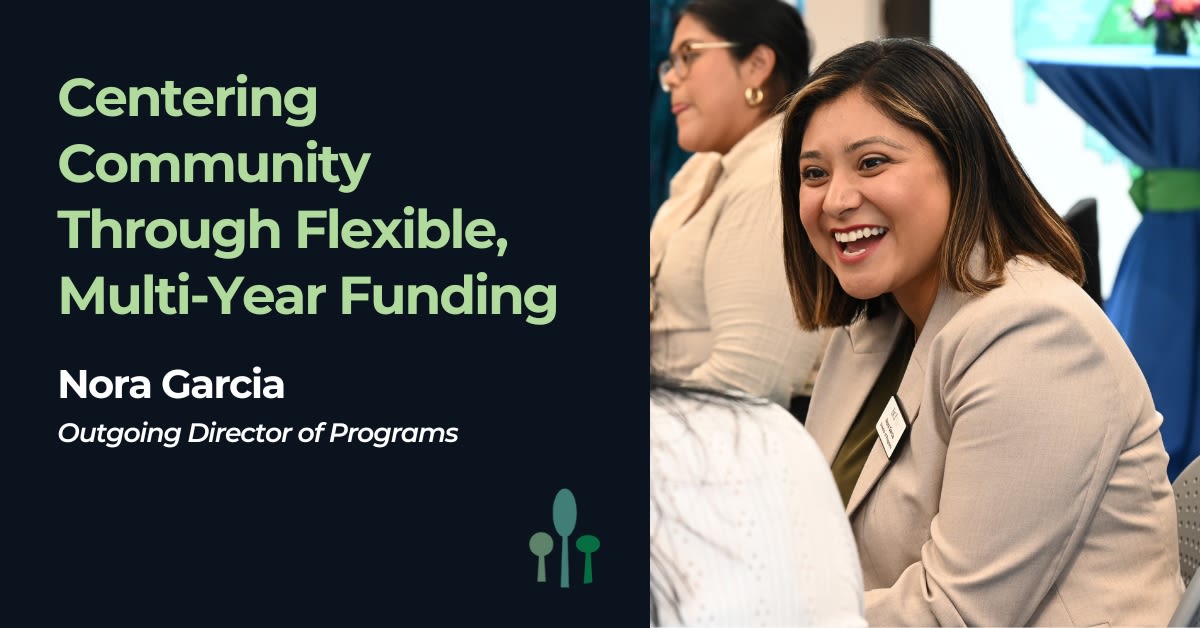
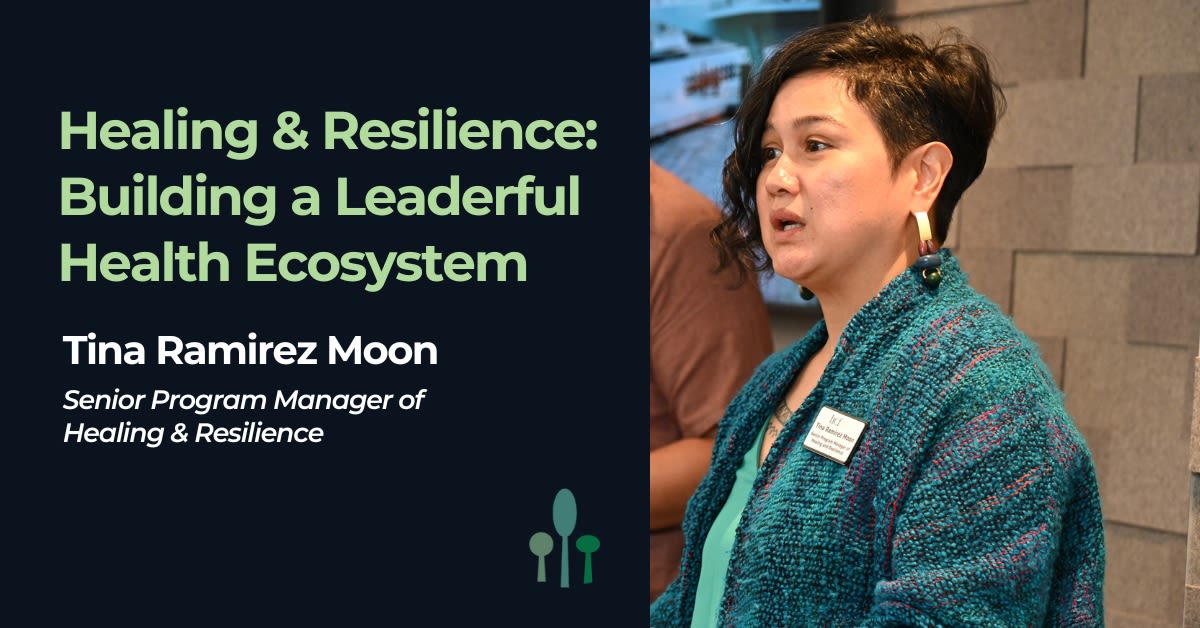
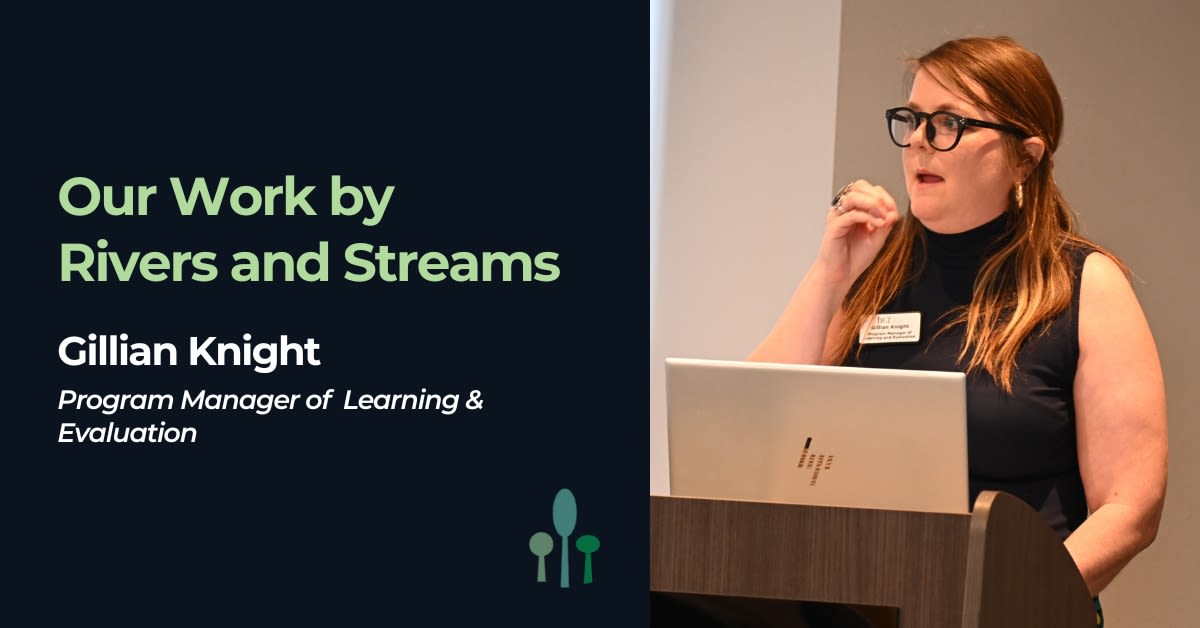
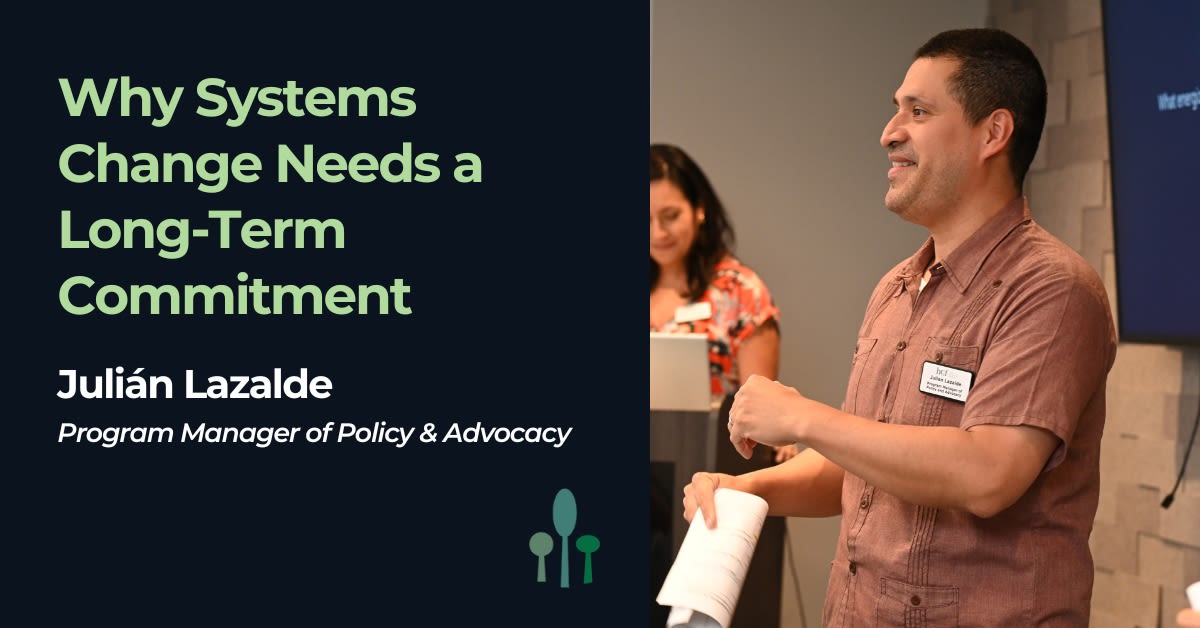
Bringing People Together in This Moment
Grantee Partner Achievements

The Aspire Center for Workforce Innovation officially opened its doors on Juneteenth 2025. The Aspire Center was a collaborative community project led by our partner, Austin Coming Together, and born from the “Austin Forward. Together” quality-of-life plan.
The three-story, 85,000-square-foot building provides essential services, including education, high-performing workforce training, social services, and small business support to Austin community members. It is located on the former Robert Emmet Elementary School lot, a Chicago Public School that closed in 2013.
The Aspire Center provides Austin community members with a state-of-the-art, multi-use space to collaborate and build their skills and wealth.
Several of our grantee partners were recognized as Notable Leaders in Philanthropy by Crain’s Chicago Business. This recognition highlights local nonprofit leaders who are making an impact across the Chicago region.
2025 Notable Leaders in Philanthropy include Martin Castro, President & CEO at Casa Central, Channyn Parker, former CEO at Brave Space Alliance, Itedal Shalabi & Nareman Taha, Co-Founders & Co-Executive Directors at Arab American Family Services, Audra Wilson, President & CEO at Shriver Center on Poverty Law.

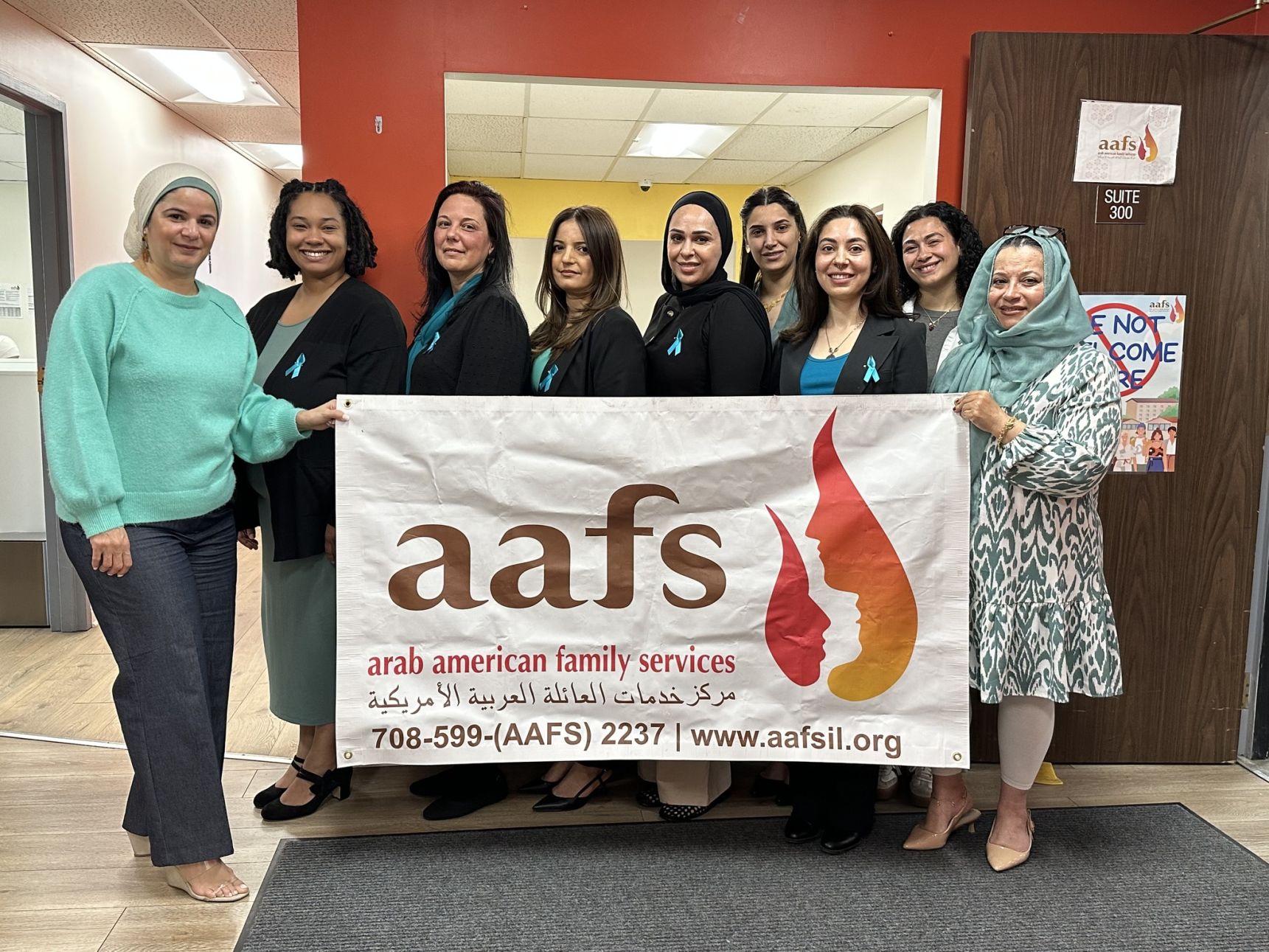
During Sexual Assault Awareness Month in April, Arab American Family Services (AAFS) gained its certification as a rape crisis center by the Illinois Coalition Against Sexual Assault, marking a historic milestone as the first Arab American organization in the state to receive this designation.
In November, Tawazun, AAFS’s new behavioral health department, opened. It is the first mental health facility rooted in culturally affirming services for Arab people in the Cook County area.
To help safeguard healthcare coverage for uninsured and underinsured individuals in our region, the Health First Fund (which HCF contributed to) approved a $500,000 grant to Protect Our Care Illinois, a statewide coalition of healthcare advocates, providers, and consumers joining together to protect and defend Medicaid and the Affordable Care Act, via the Health First Fund. Nine of the 50 Illinois ZIP codes with the highest Medicaid expansion enrollments are in our service region, including 60629, which has the second-highest enrollment in the state.
Two of our grantee partners were recognized at the 48th Annual Peter Lisagor Awards for exemplary journalism in May. Our partner, Cicero Independiente, won Best Reporting on Environment/Climate Change for Rooting Our Risk: Cicero’s Challenge to Build a Safe Inclusive Park by Leslie Hurtado. HCF Bold Investment partner, LWC Studios’ 100 Latina Birthdays podcast, won Best Community Reporting in Audio for its second season.
During Pride Month, TaskForce Prevention & Community Services was selected to be the inaugural “Out Front” Leader at the 2025 Chicago Pride Parade.
Chicago Mayor Brandon Johnson also recognized TaskForce in June with a special grant to support their work affirming and protecting LGBTQIA+ youth on Chicago’s West Side.
This year marked the seventh year of the evolving West Suburban CHW Initiative, supported by Community Memorial Foundation, The Coleman Foundation, Healthy Communities Foundation, Health & Medicine Policy Research Group, and Sinai Urban Health Institute (SUHI). In July, the Year 6 (2024) report, Piecing the Mosaic: Strengthening Community Health Through Partnership, was published, highlighting the progress in building healthier communities across Suburban Cook County since 2018.
The Initiative also presented at the Illinois Public Health Association’s 84th Annual Public Health Workforce Conference in September. Individuals from supporting organizations, including our Program Manager of Learning & Evaluation, Gillian Knight, shared more about how the Initiative’s public-private partnership is sustaining and elevating the CHW workforce in suburban Cook County.
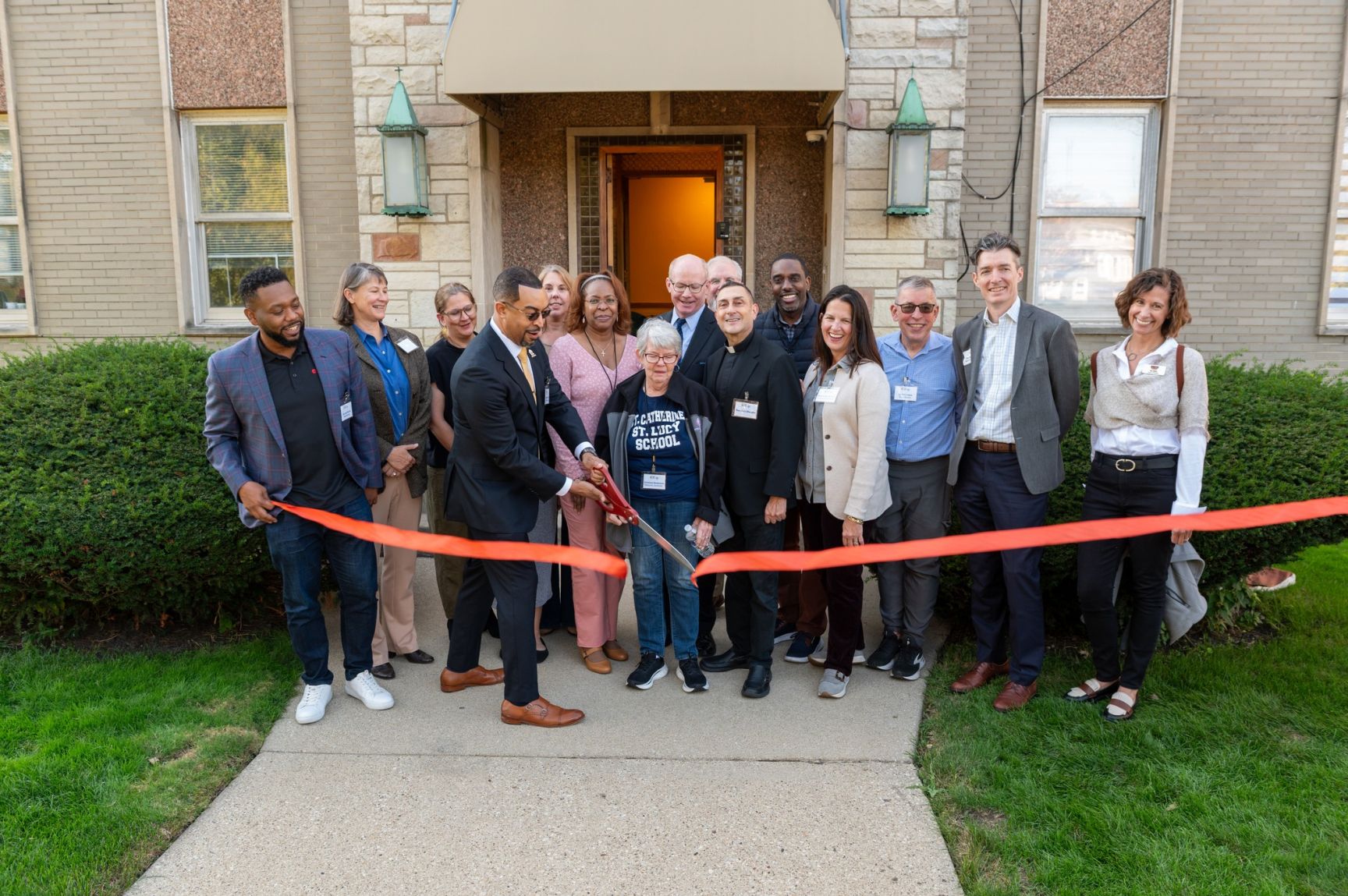
In September, Housing Forward celebrated the ribbon-cutting of the new Anderson Emergency Shelter in Oak Park. The shelter is named after lifelong housing advocate Pat Anderson, one of the founding members of Tri-Village P.A.D.S., the 1992 homelessness program, which eventually became Housing Forward.
The Anderson Emergency Shelter is a 40-bed emergency overnight shelter with laundry facilities, a communal dining space, and a small commercial kitchen where volunteers can prepare and serve meals.
During the government shutdown and SNAP disruption, food insecurity surged sharply, and local organizations and food pantries in our region experienced a threefold increase in demand. Our partner Beyond Hunger provided food to a record number of households in a single weekend—the highest in nearly 50 years—in early November.
At the same time, immigration enforcement added further strain, deterring many from grocery shopping and working, and prompting partners like Dion’s Chicago Dream to collaborate with trusted community organizations to expand home deliveries in the region.

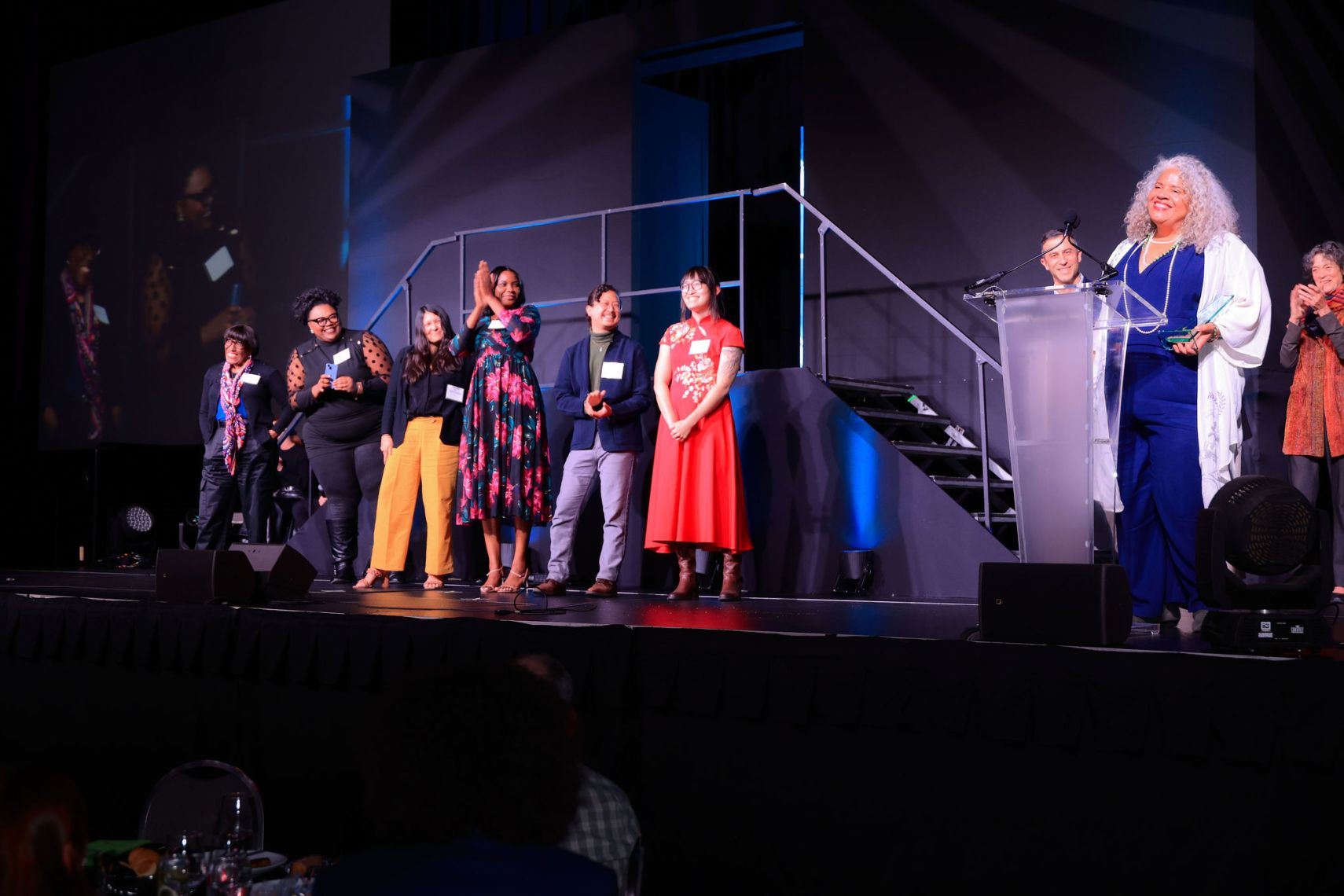
Urban Growers Collective was awarded the Climate Champion Award at the 2025 Chicago Innovation Awards in November. This award highlights Urban Growers Collective’s Green Era anaerobic digester, located at the heart of the Green Era Campus, which diverts food waste from landfills to produce clean energy and nutrient-rich compost. The Green Era anaerobic digester is the Midwest’s first self-sustaining anaerobic digester.