
Fostering Connection, Empathy and Equity for Alzheimer’s and Dementia Care
Spotlighting HCF multi-year partners Arab American Family Services and The Latinos Alzheimer's and Memory Disorders Alliance
Note: This post includes information accurate as of its original publication date in August 2023 and may not reflect partner changes since that time.
Memories reflect the essence of our lives, like fragments of a mirror. For those experiencing Alzheimer’s and dementia, these fragments may scatter, but glimmers of joy and nostalgia from those memories endure.
Alzheimer’s disease and other forms of dementia do not discriminate—they affect individuals regardless of who they are or where they live. However, Black, Indigenous, Latinx, and People of Color (BILPOC) individuals living with or caring for someone with a memory disorder often experience racial and ethnic inequities in accessing quality, culturally affirming care, or having trusted sources of information to learn about dementia and its symptoms.
Aside from medical advancements to find a cure, empathy, human connection and equitable access to support are essential to providing the care individuals living with dementia need and deserve.
Two of our multi-year partners, Arab American Family Services (AAFS) and Latinos Alzheimer’s and Memory Disorders Alliance (LAMDA), have long advocated for improved care systems that support the “whole person” and have employed strategies that see, hear, and embrace people and their caregivers with compassion along their journey. There are human stories behind the effects of dementia, and we recognize their strength that shines brightly amid the haze of memory loss.
“I worked for three years after I graduated from university in Nablus, a city of Palestine,” Najwa fondly recalls. “My major was art and physical education—that’s what I like to do.”
With a smile, Najwa, a community member of AAFS, talked about her experiences as an art and physical education teacher shortly after immigrating to the United States with her husband of more than 40 years. She reminisced about teaching young children the Quran and Arabic, being a job coach for local high schoolers and working as a hairstylist and photographer for JCPenney.
“Art is my life,” Najwa said.
Najwa retired about six years ago after experiencing worsening symptoms of diabetes. Soon after, her active lifestyle slowed down and she also started to experience memory loss.
“I talk to you about all these things I remember from old days—I don’t forget all of it,” she said.
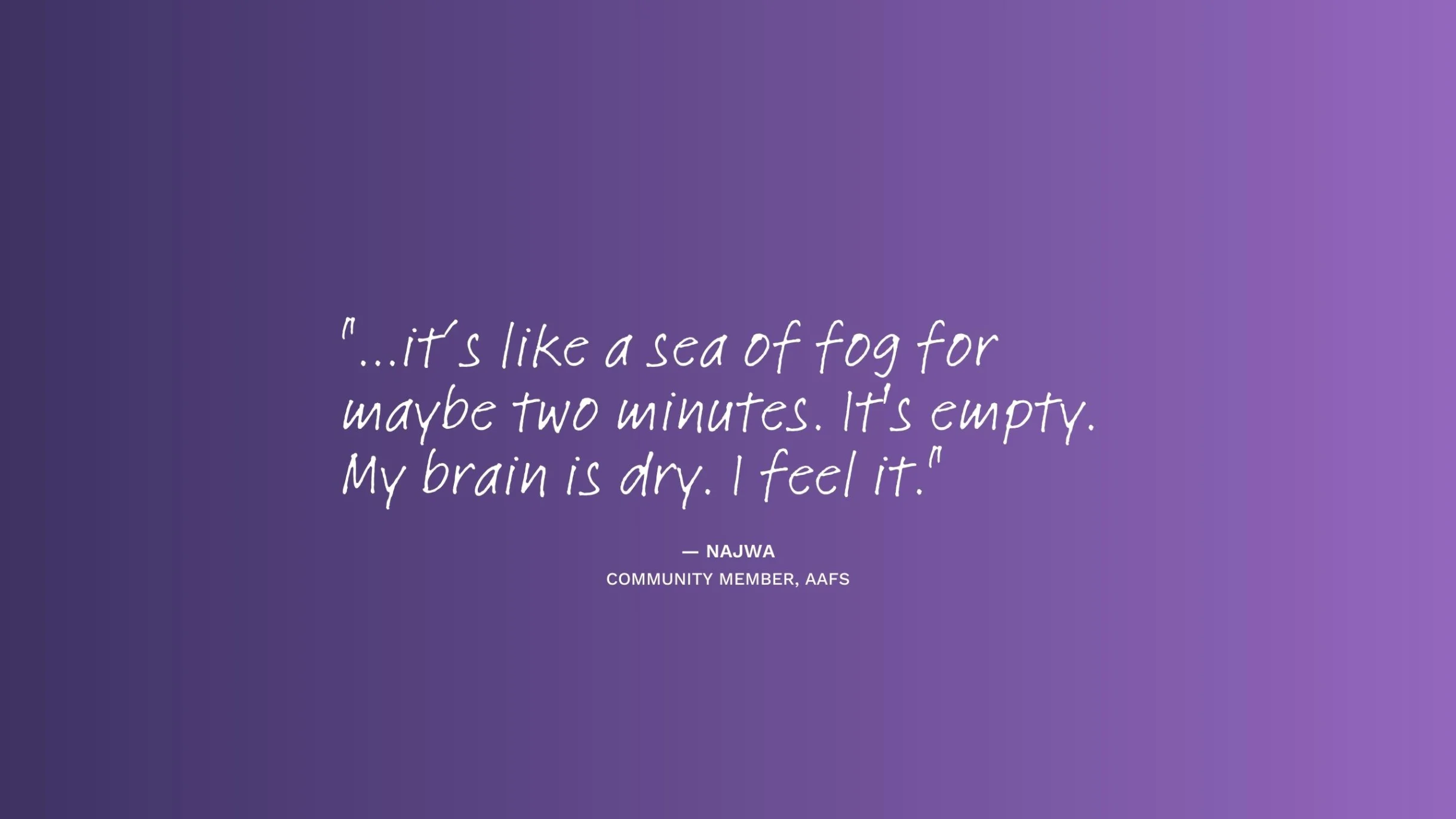
But when Najwa does forget things…
Dementia and Alzheimer's Disease
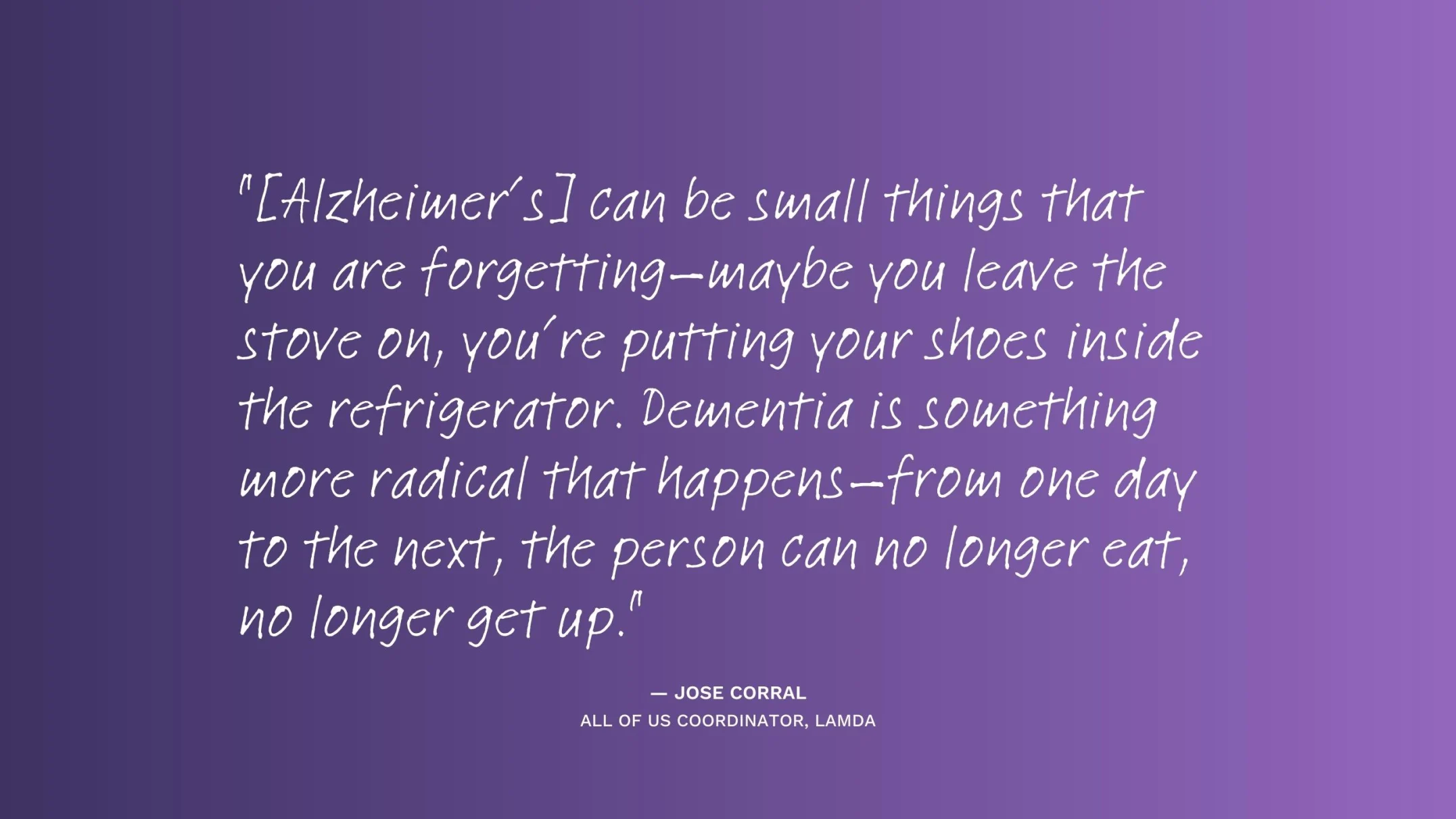
Often used interchangeably, Alzheimer’s disease is a common form of dementia, which is a general term that describes symptoms such as memory loss and changes in behavior. “Dementia quickly attacks the person,” said Jose Corral, All of Us Coordinator at LAMDA. “Alzheimer’s is more progressive, slower.”
When the Healthy Communities Foundation began implementing a trust-based approach in 2018, we started with the clarity that our actions and decisions needed to go beyond funding and center the values inherent within the four dimensions of trust-based philanthropy: culture, practices, structures, and leadership.
As a reconstituted foundation, we were well-positioned to lean into not only the practices of trust-based grantmaking but also a justice-oriented approach that required deep internal and external examination, reflection, and course correction. We hear the recent sentiment of those fatigued by the shifting landscape of philanthropy, one that popularizes terms like “trust-based philanthropy” but fails to adopt it and, more importantly, adapt to it.
“It is a disease where the patient dies twice,” Enrique Jimenez, COO of LAMDA, said in Spanish. “The first time is when they no longer recognize their family, their faces, their names.”
“The second time is when they are no longer physically with you.”
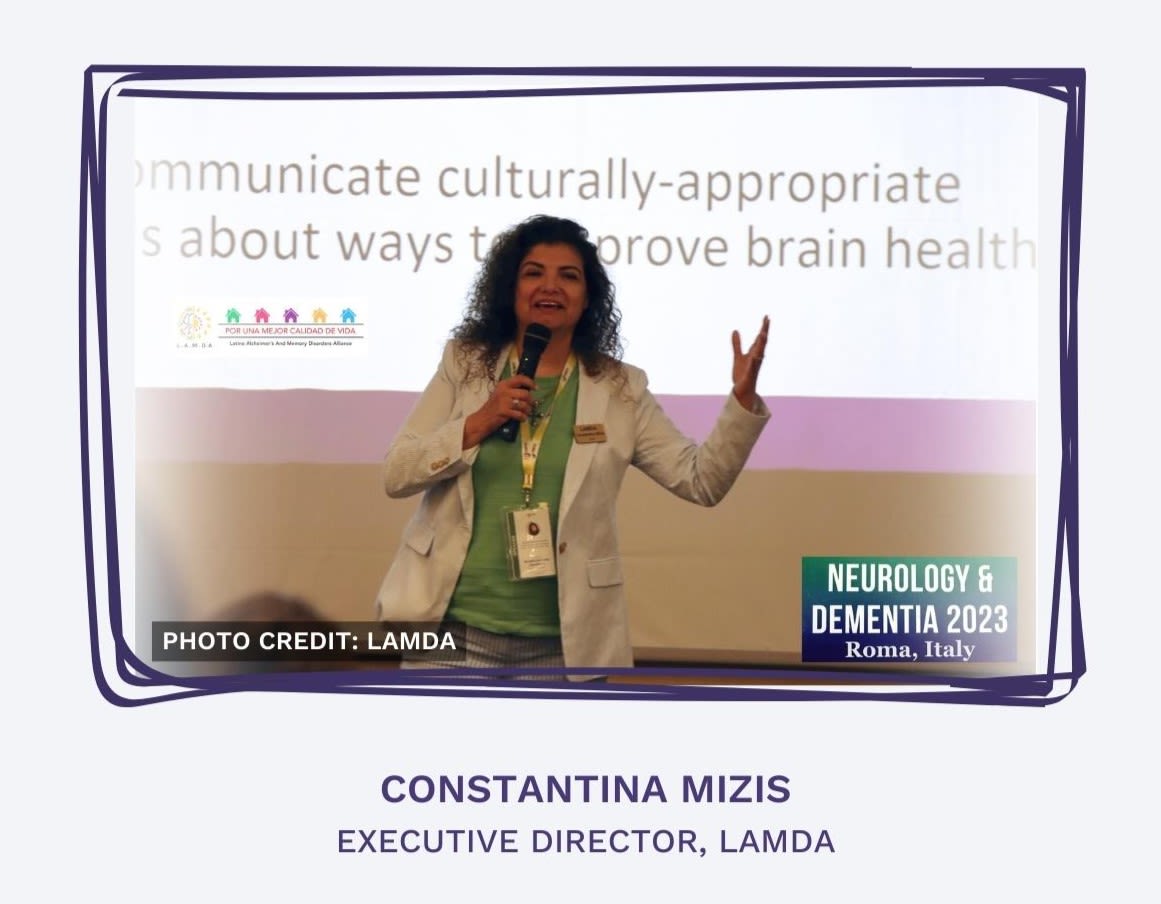
Experiencing Alzheimer’s can look different for each person. For some, the disease can begin before noticing any symptoms, while others may experience memory loss or personality changes. In more moderate or severe phases of dementia, people may need assistance with daily tasks or be unable to walk on their own. To receive an official Alzheimer’s diagnosis requires cognitive tests and other invasive exams in some cases, like PET scans or spinal taps.
“Some clients who have come in are not officially diagnosed,” Mina Nader, Congregate Meal Site Coordinator at AAFS, said. “They’re just starting to notice some memory loss, or their caregivers have.”
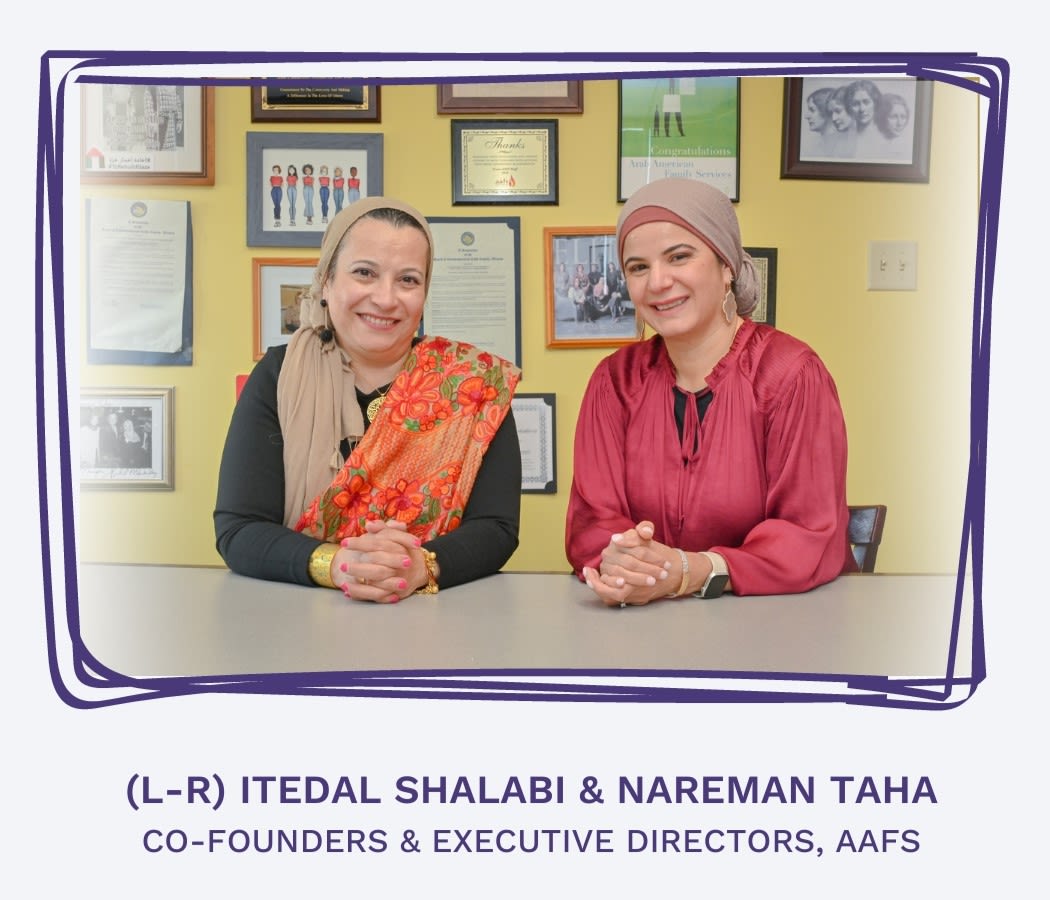
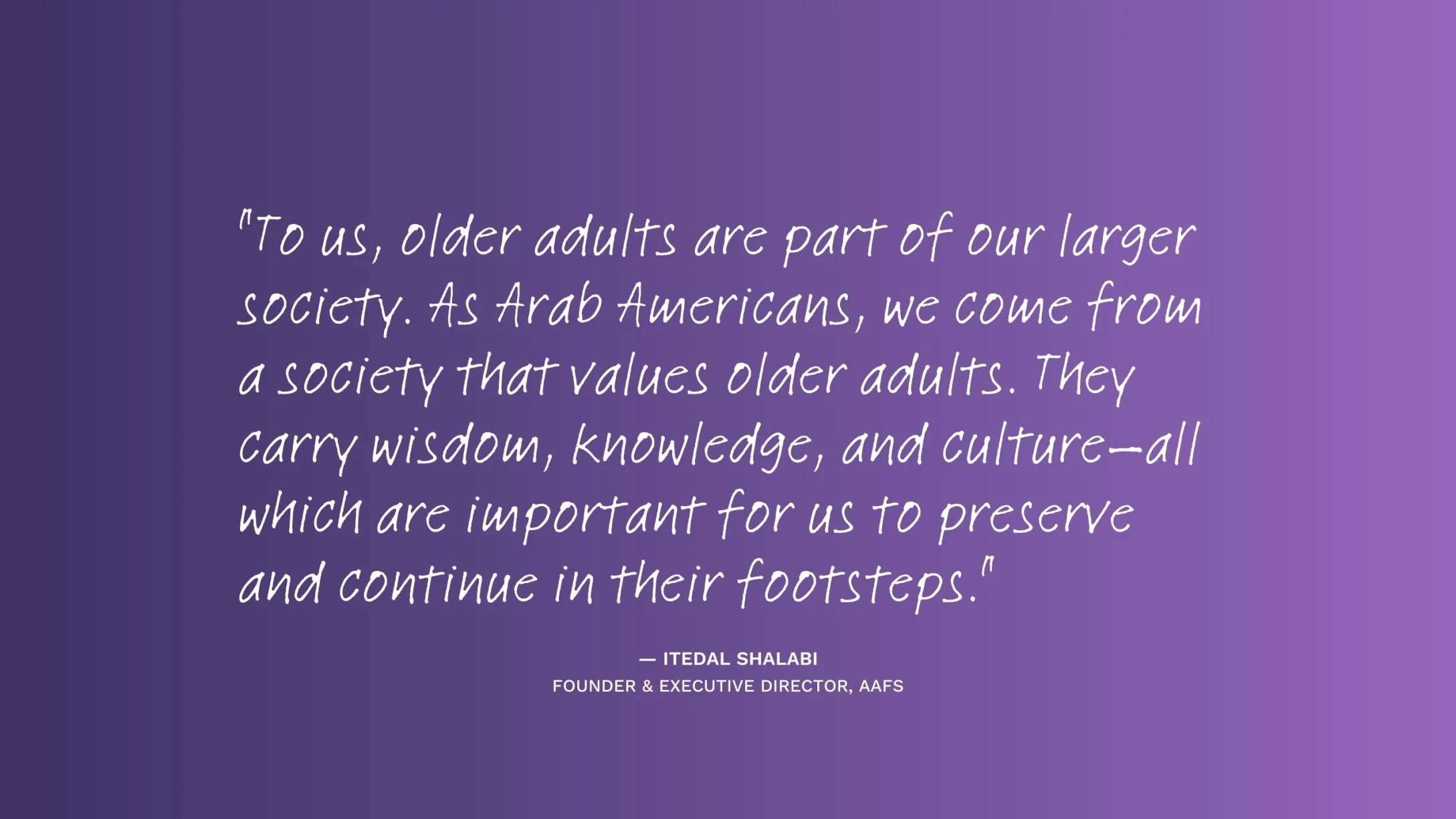
Founded in 2001 by Itedal Shalabi and Nareman Taha, AAFS is one of the leading social service organizations serving the Middle Eastern/North African (MENA) community in the South Suburban area of Chicagoland. Itedal and Nareman have established AAFS as a powerful voice and advocate in Illinois to address health and wellness needs that cultural, religious, and linguistic barriers create for the MENA community by offering programs in areas including community health and older adult services.
Cultural Considerations in Care and Services
Living with dementia can be different for BILPOC older adults as language barriers, discrimination in health care, and the lack of culturally affirming services can interfere with getting the information and care they need. That is why AAFS
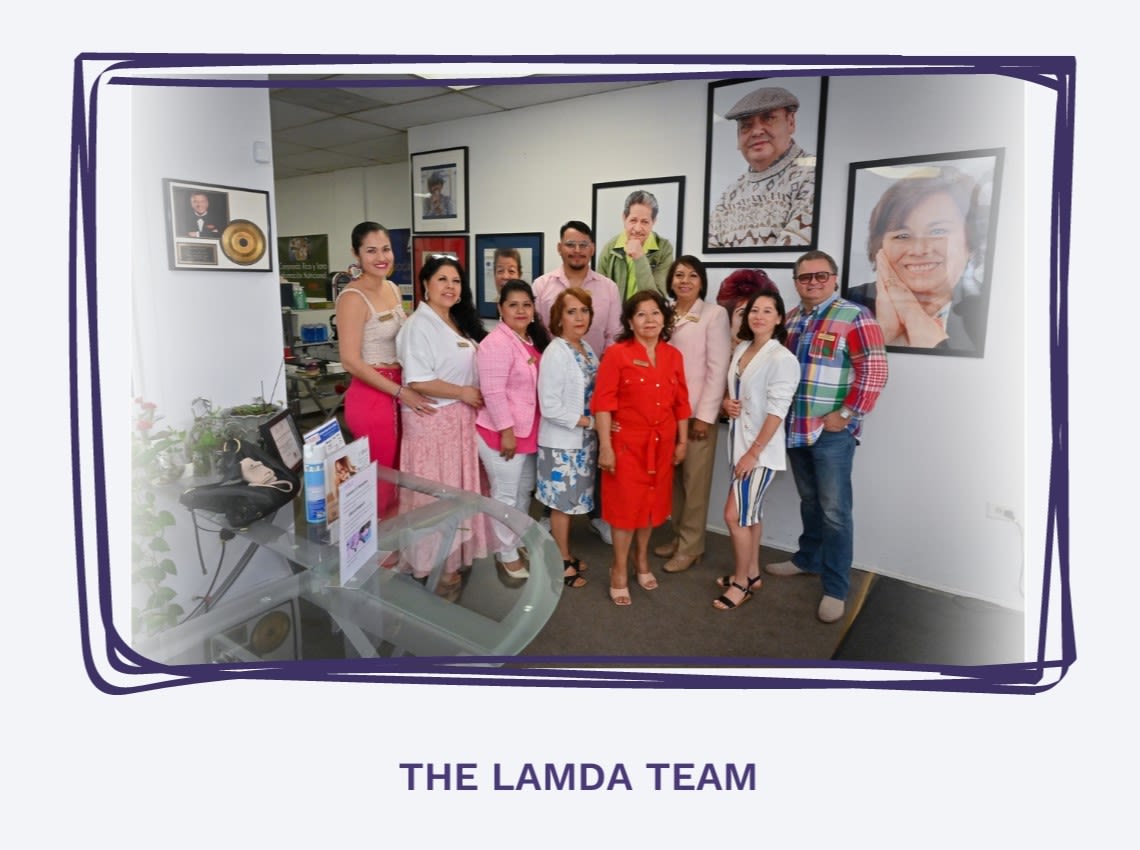
LAMDA designed a suite of programs to address the cognitive development and physical health of Latinx older adults in Spanish and with cultural context in mind, Enrique says. “Our programs come together like pieces of a clock. They pull at the same time.” LAMDA offers free weekly classes, including manualidades (crafts), Zumba, yoga, Spanish karaoke, guitar classes, and more at their Cicero office.
A healthy and balanced diet also plays a crucial role in reducing the risk of Alzheimer’s, Enrique explains. "That's why we have the "Comprando Rico y Sano" i Buying Healthy and Flavorful Foods, a UnidosUS program led by community health workers that seek to reduce hunger and instill healthy shopping and eating habits among Latinos through nutrition education and enrollment assistance in the Supplemental Nutrition Assistance Program (SNAP) nutritional program," he continues. "People come to us for our nutrition talks [and ask] ‘My grandfather has hypertension. What foods can I give him?’"
Sometimes one of the biggest challenges in receiving care is admitting they need help.
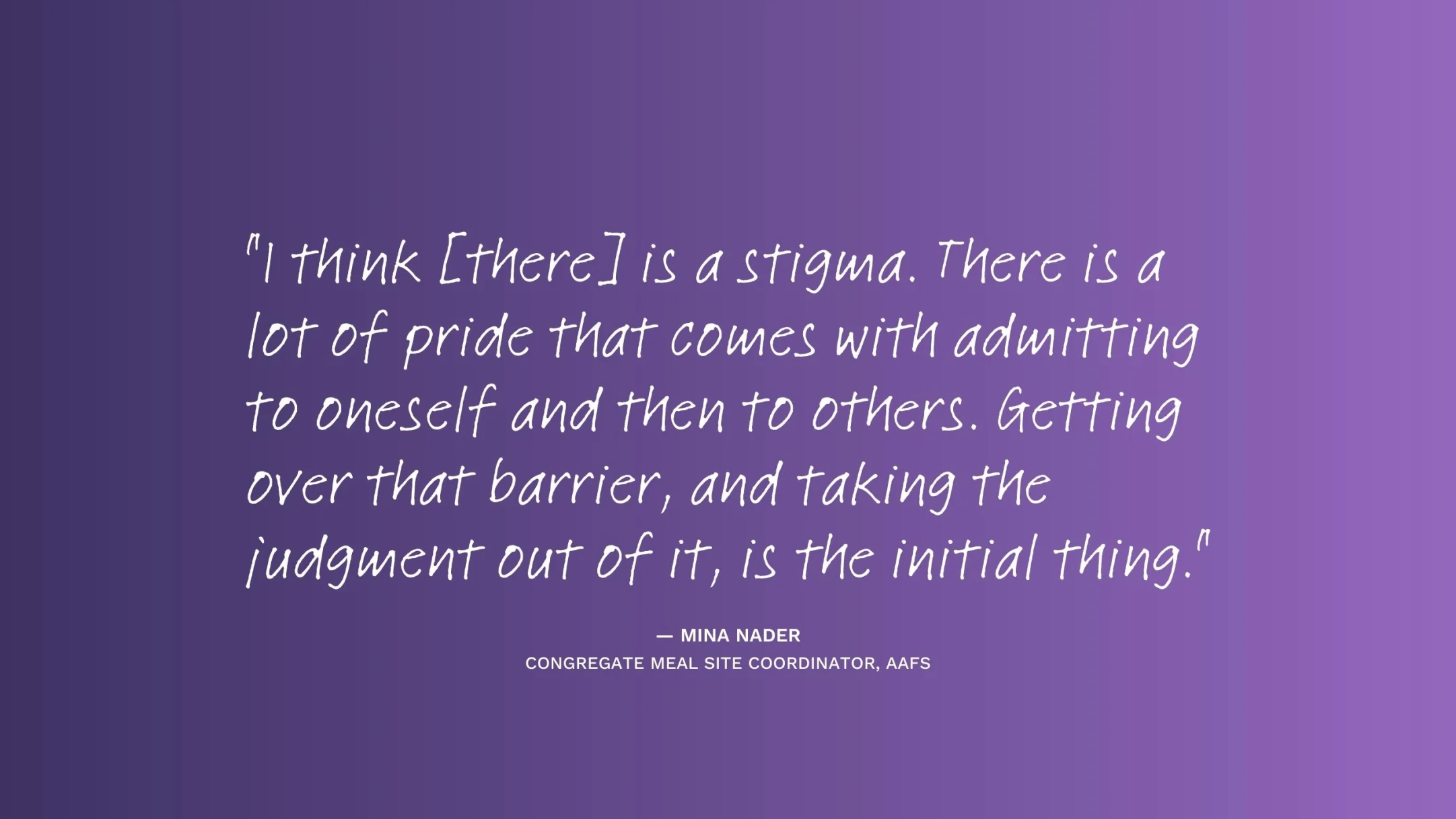
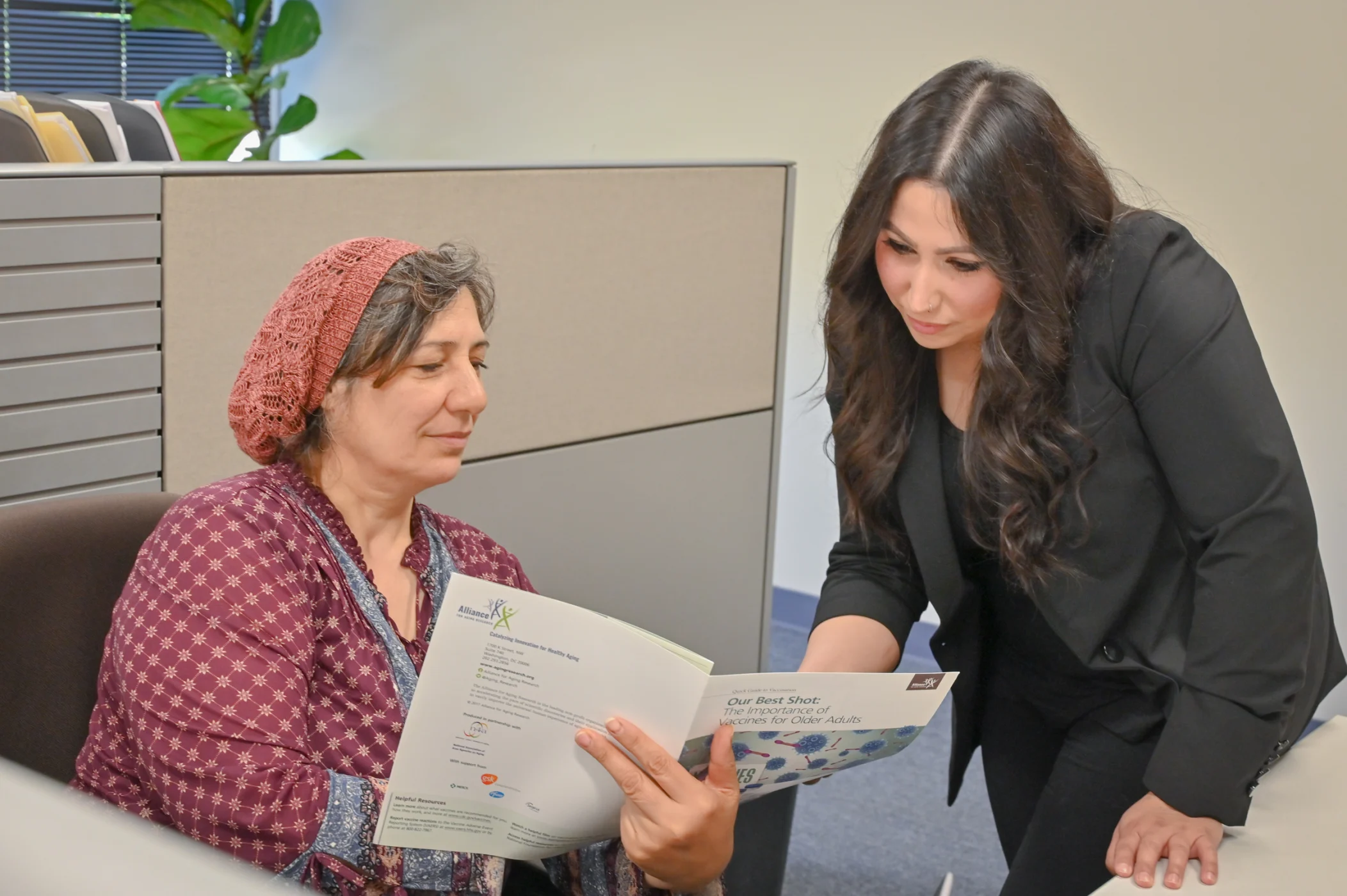
AAFS offers programs and services in Arabic, helping break some of those barriers, and also connects community to other local resources.
“They need someone [that can] translate to go with them to the doctor,” Zahira Kurdi, Case Manager in AAFS’ Elderly and Disability Department, shared. “We do a lot of outreach with local community, with mosques, clinics that speak Arabic.”
“When I talk to clients, I hear, ‘When you are open, I feel safe like there is a place I can go to and find what I’m looking for…and get the help I really need.”
Finding Support and Joy in Community
It is not uncommon for older adults to feel alone or experience a decline in their mental health when they begin to show memory loss or other dementia symptoms.
“Having support, people who share their experiences kind of opens [them] up,” Mina said. “They’re more willing to share, more willing to accept, and it broadens people’s ability to utilize services and not feel like they have to hide.”
“[It’s their] sense of dignity they don’t want to lose.”
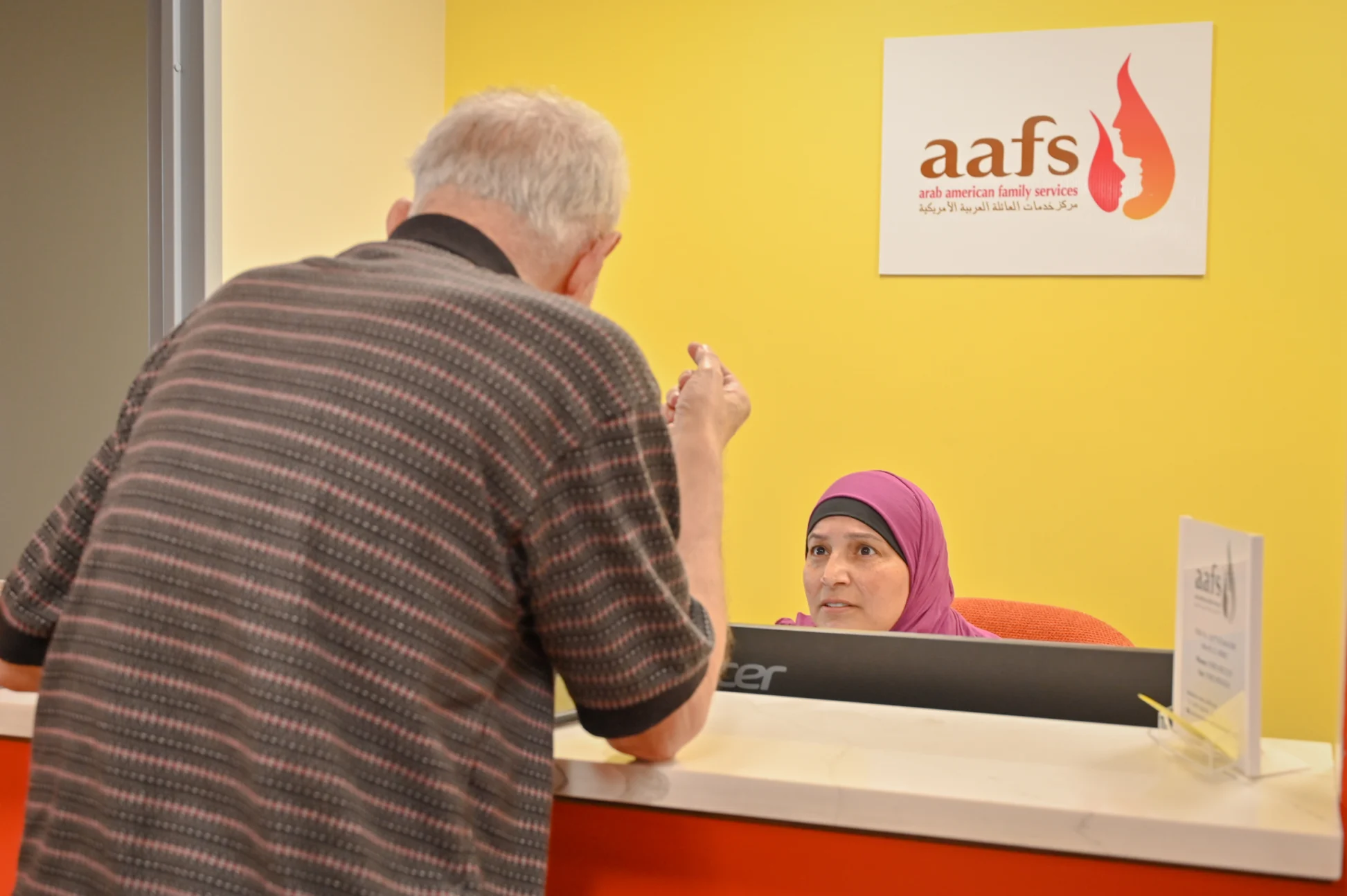
In partnership with Al Bawadi, a restaurant with locations in Bridgeview (in the HCF region) and Niles that serves traditional Middle Eastern and Palestinian cuisine, AAFS’ daily Senior Congregate Meal service allows older adults to enjoy culturally familiar meals that evoke positive emotions and memories. Serving nearly 300 free meals Monday through Friday in both locations, the meal service also creates space to share a meal with others and learn about other AAFS programs they can benefit from.
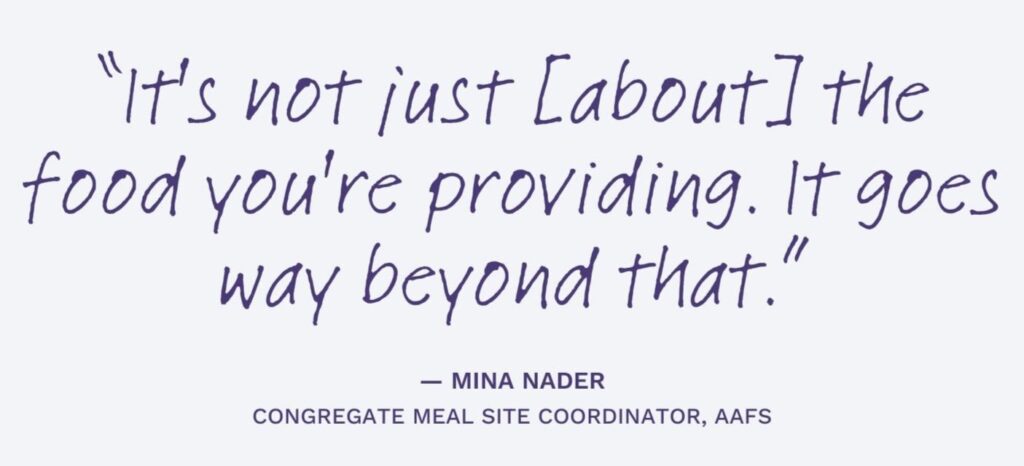
As Congregate Meal Site Coordinator, Mina has seen how the weekly service has built community. “It’s [about] the social aspect of having people around you, feeling like you have a place to go,” she shared. “What I love about it is people will see someone sitting alone and they’ll add them to their group.”
Nawja heard about the meal service from friends and soon went every Friday. She met Mina there, who has become her trusted connection to AAFS and the rest of their services.
“Because Arabs come from all different countries, they have that common thread, a place to come to if they need any kind of services,” Mina said. “I think this is really what [AAFS] is about.”
The sense of community can also be felt as soon as you walk through the doors of LAMDA.
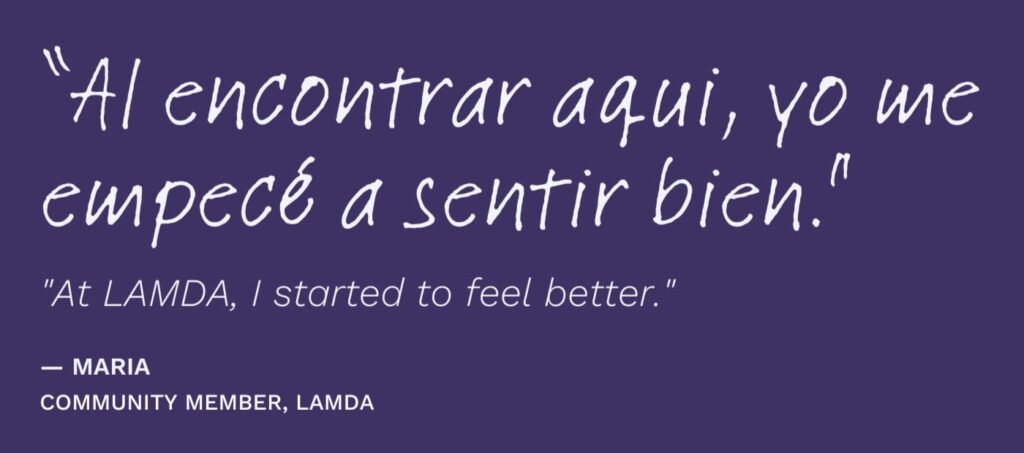
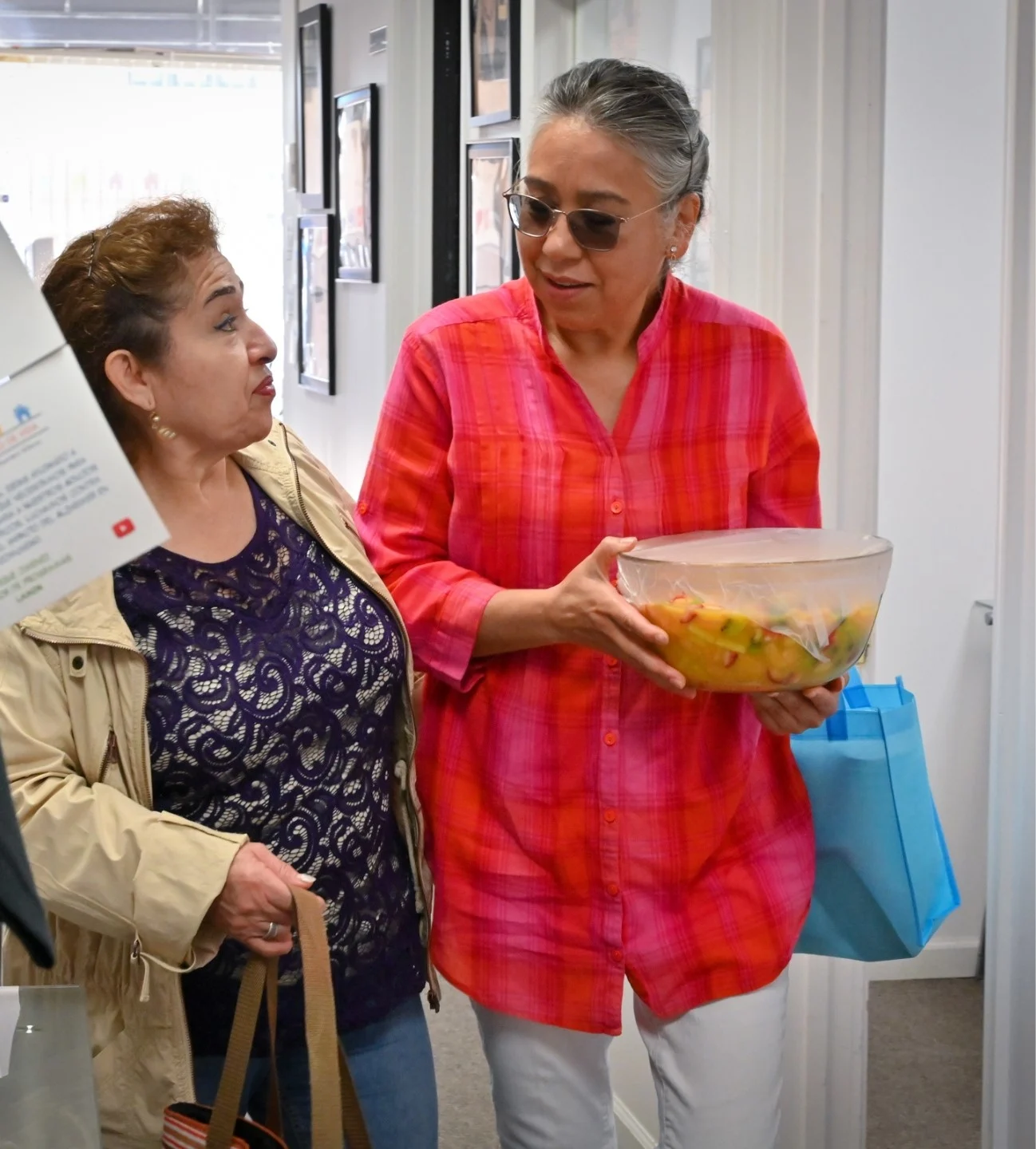
“Since the first day, they welcomed me like family,” Maria, a LAMDA community member, recalled in Spanish.
In the past year, Maria has enjoyed attending her favorite classes: Zumba, yoga, and crafts. Before LAMDA, Maria felt depressed being at home all the time.
After several attempts, Maria convinced her husband, Francisco, to join her one day. On his first day, he met a group of people singing karaoke in Spanish. That piqued his interest, and he started to take guitar lessons soon after.
“Being with the guitar teacher and the other “muchachos”, we all feel comfortable around each other,” Francisco said in Spanish. “The truth is, at home, I would spend all day sitting in my armchair.”
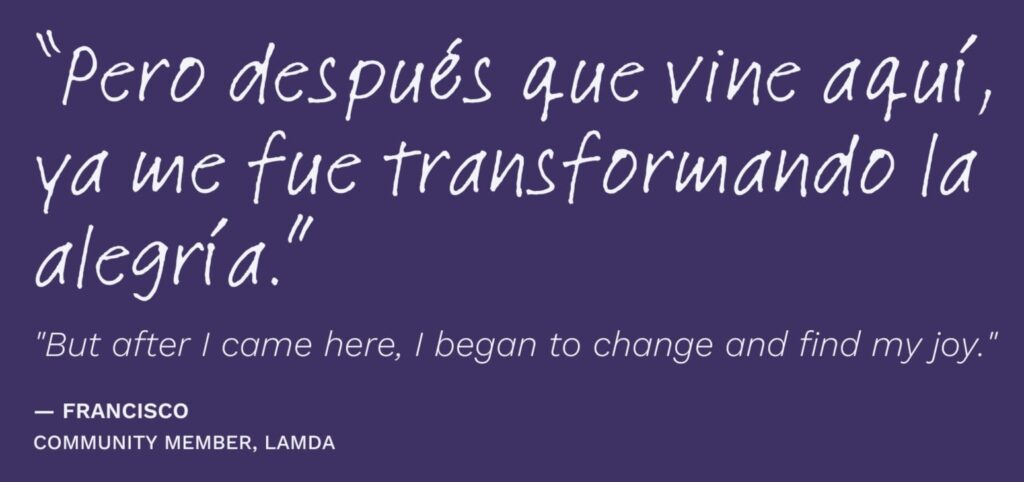
Whether individuals have participated in LAMDA’s classes for a short time, like Francisco, or for several years, classes and other gatherings have become a bright spot in their schedules each week.
Caregivers' Perspective
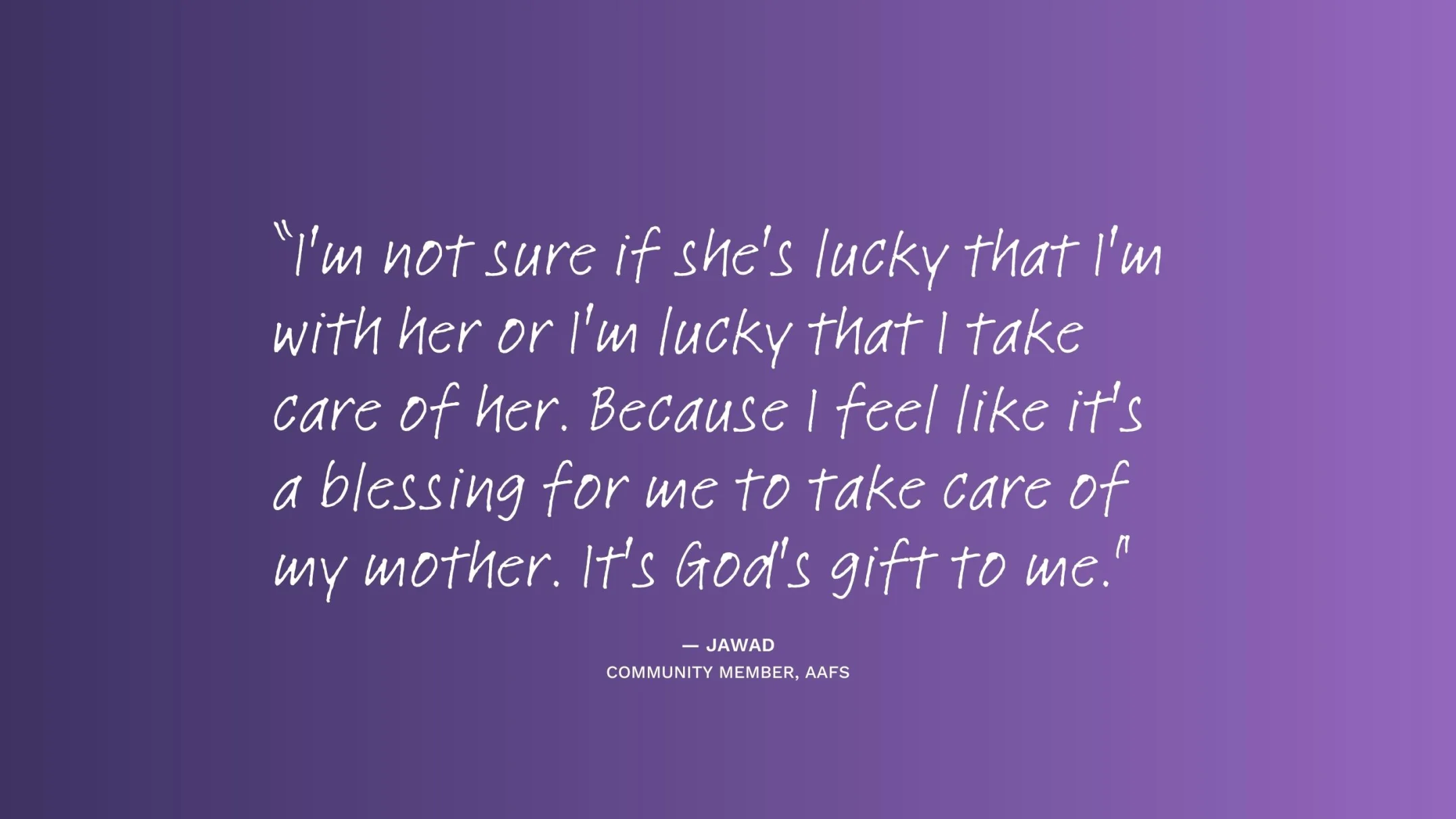
Jawad, an AAFS community member, knows firsthand about the complexities that dementia can bring after stepping into the caregiver role for his mother almost 15 years ago. “It’s ten times as hard to deal with a senior who doesn’t know where they are and what they’re doing,” Jawad shared.
Caregivers, especially in multi-generational BILPOC households, are vital in supporting older adults experiencing dementia. Dealing with memory loss often impacts the caregiver as much as the individual living with it. AAFS and LAMDA offer support groups to help caregivers and families learn about resources and provide opportunities to care for themselves.
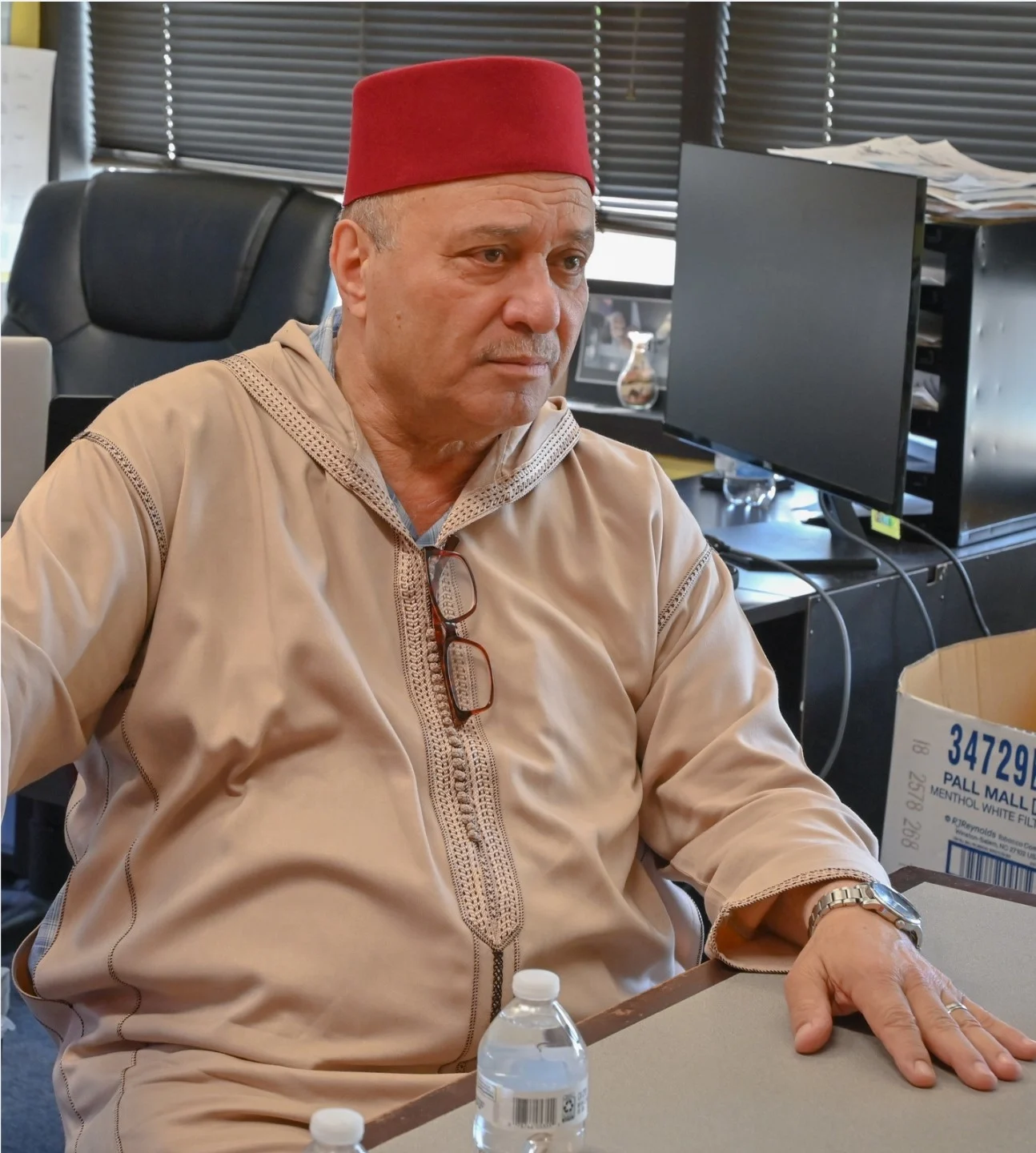
“We invite caregivers to participate in all our activities because, after taking care of someone with Alzheimer’s, they are going to get sick if they do not take care of themselves,” Enrique, LAMDA, shared.
AAFS’ Elderly and Disability Department offers programs to older adults and their caregivers, such as Memory Cafes, where they can do activities that support their cognitive development, like making crafts and music. Having access to AAFS’ Congregate Meal Service has also been helpful for Jawad as he cares for his mother. “I don’t have anybody to cook for me, and I don’t know how to cook,” he said. “Now I go to Al Bawadi, pick up food and bring it home.”
Although caregiving sometimes requires personal sacrifices, Jawad, who took off only one week from caring for his mother to get married in 2020, is happy to look after her.
Health Equity in Alzheimer's Research
There is still so much we do not know about what happens deep inside the brain and how to stop or slow down the progression of dementia. Therefore, advancing dementia research is critical to finding a cure. However, BILPOC individuals, especially Latinx and MENA communities, are severely underrepresented in Alzheimer’s and dementia research and clinical trials.
“So far, all treatments that we have here in the United States were created for white men with no consideration of minorities, African Americans or Latinos,” Jose Corral, All of Us Research Program Coordinator at LAMDA, said.
Jose manages the LAMDA partnership with the All of Us Research Program, the largest body of Alzheimer’s research in the world collected by the National Institute of Health (NIH), which aims to develop individualized healthcare that considers family health history and genetic makeup.
According to LAMDA, 1% of NIH’s funded clinical trial participants are Latinx, although they comprise 17% of the US population and are 1 ½ times as likely to have Alzheimer’s or other dementias as older Whites. Therefore, the program aims to collect more health data from the Latinx community to better inform Alzheimer’s research.
In partnership with local hospitals in Chicago, such as Northwestern Medicine and UIC Health, Jose does community outreach to share the latest Alzheimer’s research in Spanish and help recruit Latinx to get involved. He also talked about easing skepticism of the healthcare system due to discrimination and other systemic barriers, especially among the immigrant community, which has been a hurdle for getting Latinx involved in the first place.
“The research asks a lot about how the interaction is between you and your doctor,” Jose said. “Many [people] state they are discriminated against by their doctors and, as a result, do not return.”
Health Equity in Alzheimer's Research
Despite being one of the fastest-growing populations in Chicagoland, Illinois, and the US, i According to the IRRPP report, Illinois is "home to the fourth largest MENA population in the US" and 75% of Arab Americans in Chicagoland reside in Cook County, with one of the "most concentrated Palestinian communities in the US". the MENA community has been virtually invisible in Alzheimer's research. When it comes to Alzheimer's care and education, the MENA community has faced health inequities due to anti-Arab/anti-Muslim racism and discrimination when accessing healthcare, language/cultural barriers, and the lack of quantitative health data categorized as MENA.
Currently, MENA communities are “officially racially categorized in the US Census as “white” even as their conditions and experiences are quite distinct from other white groups”. These structural barriers contribute to the lack of MENA older adult Alzheimer’s research and, therefore, a lack of care and treatment that can be tailored to their unique genetic composition and experiences.
Governor JB Pritzker recently signed legislation for Illinois to become the first state to introduce the MENA racial category for public data collection and reporting, effective January 1, 2024. AAFS was one of the leading advocates of this effort, which will have a tremendous effect beyond health and can serve as a model for other states to adopt.
“Having MENA in Alzheimer’s research and care is the only way we can identify the number of Arab Americans who are impacted,” Nareman Taha, Co-Founder/Executive Director of AAFS, shared. “In addition, MENA will allow for the opportunity to ensure that the community receives the necessary education and resources to build a healthy and thriving community.”
With the MENA category being recognized and used in public health data collection, this can help break down racial and ethnic health inequities and gain a more accurate account of the impact of Alzheimer’s and dementia.
Our partners AAFS and LAMDA are beacons of hope, compassion, and support as individuals and families navigate the complexities of living with Alzheimer’s and other forms of dementia while working toward a future where everyone, regardless of their background, has equitable access to the care they need and deserve.
We want to express our immense gratitude to the teams at AAFS and LAMDA for warmly welcoming us to their offices and for their help in producing this important piece, highlighting their incredible work in the Alzheimer’s and dementia space. We also want to thank community members who sat with us and graciously shared their stories: Najwa, Jawad, Maria, and Fransisco.
We invite you to learn more about our multi-year partners, Arab American Family Services and The Latino Alzheimer’s and Memory Disorders Alliance, and follow their social media to stay updated on their work.