General Operating Support in Action
2022-2023 Grantmaking Report and Insights
How flexible funding made an impact on our grantee partners’ organizations
Introduction
S
ince implementing our evaluation approach in 2021, we have gained deeper insights into our grantee partners’ experiences from the 2022-2023 grant term and how they have adapted from ongoing post-pandemic challenges. As part of our trust-based approach, our commitment to transparency includes sharing with our grantee partners, peer funders and community members in our service region what we have learned, how we have responded, and what our plans are moving forward.
We believe that our evaluation practice, and working alongside our partners, can help shift the field of philanthropy toward more equitable and trust-based practices. The Equitable Evaluation Initiative influences our evaluation approach, and we are committed to the principles outlined in its Equitable Evaluation Framework (TM).
This report i Due to the timing of when grant reports are submitted and the time spent analyzing the data, this report is published following that timeline. However, with improvements in collecting and analyzing data, we strive to publish future learning reports like this one earlier in the year to ensure the information we share is as relevant to community and actionable as possible for our peers interested in themes we lift up. summarizes insights gleaned from data collected throughout the October 2022-September 2023 grant term–from the grant application to the final grant report—specifically from our 2022 grantee partners and first multi-year partner cohort during Year 2 of our 3-year funding commitment.
Methodology
What We Learned Last Year
What Did We Want to Learn from the 2022-2023 Grant Term?
Insight #1
Staff retention and covering the rising true costs of high-quality programs and services were top priorities for one-year and multi-year grantee partners, and flexible funding helped bridge the gaps.
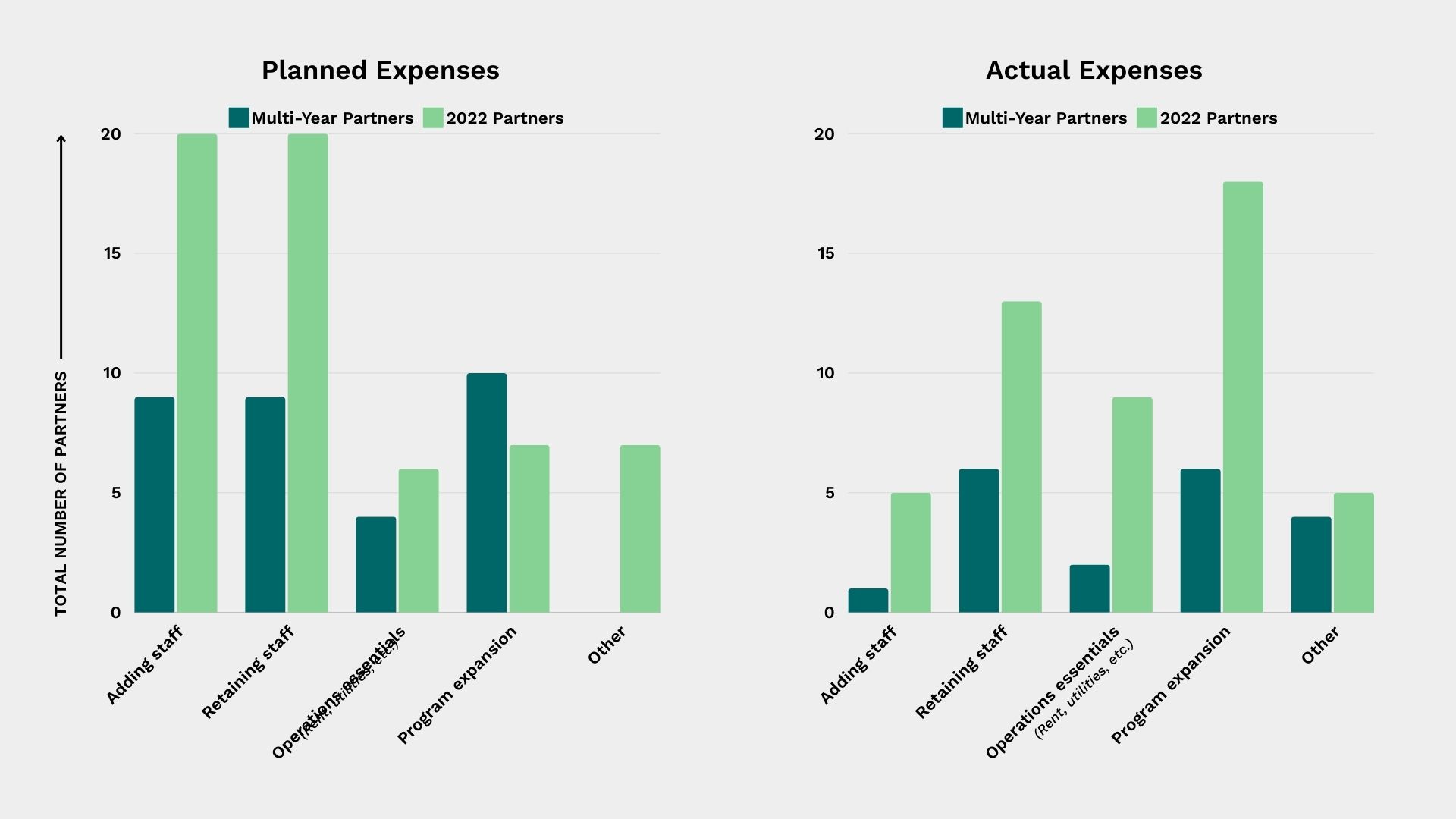
We also observed that our annual partners were more likely to leverage our one-year grants to secure new institutional or individual funding streams. Last year, partners invested in hiring additional staff, filling vacancies, and strengthening their back offices, enabling them to pursue larger grants and funding opportunities and further elevating their work in our local health ecosystem. further elevating their work in our local health ecosystem. i We also take our commitment to trust-based philanthropy seriously because we always look for ways to support our partners beyond our grants. For example, we have introduced partners to peer funders with aligned values and priorities and have talked about our partners’ work at various tables.
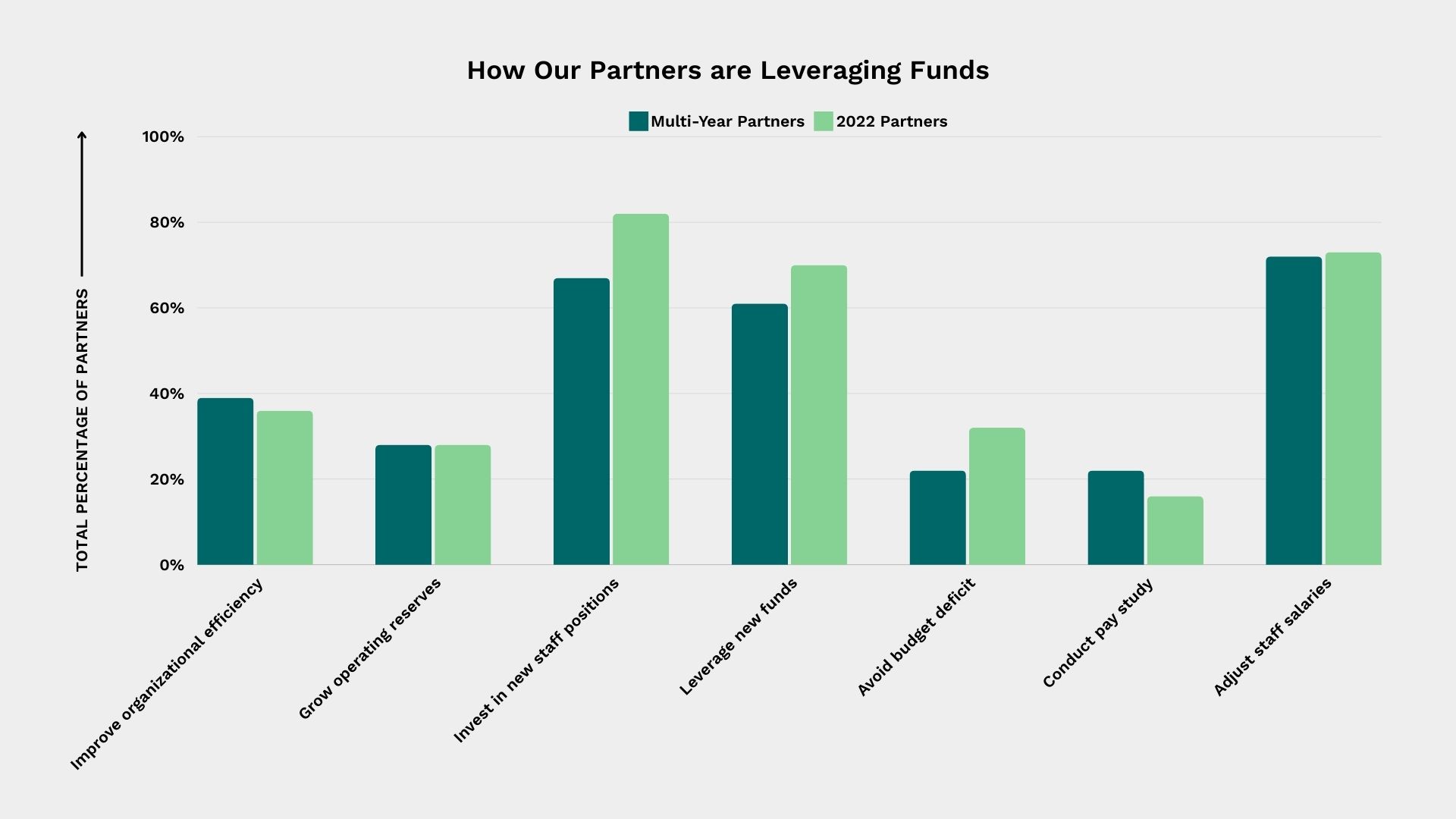
Qualitative data revealed a consistent narrative: Inflation affects every facet of a healthy organization’s ecosystem. Experienced and essential staff need higher wages to remain at their organizations, program expansion grants from institutional funders fail to cover the true costs of expanding programs, and operational costs necessary for delivering quality programs and services (such as rent, supplies and utilities) have increased without a corresponding rise in revenue.
Insight #2
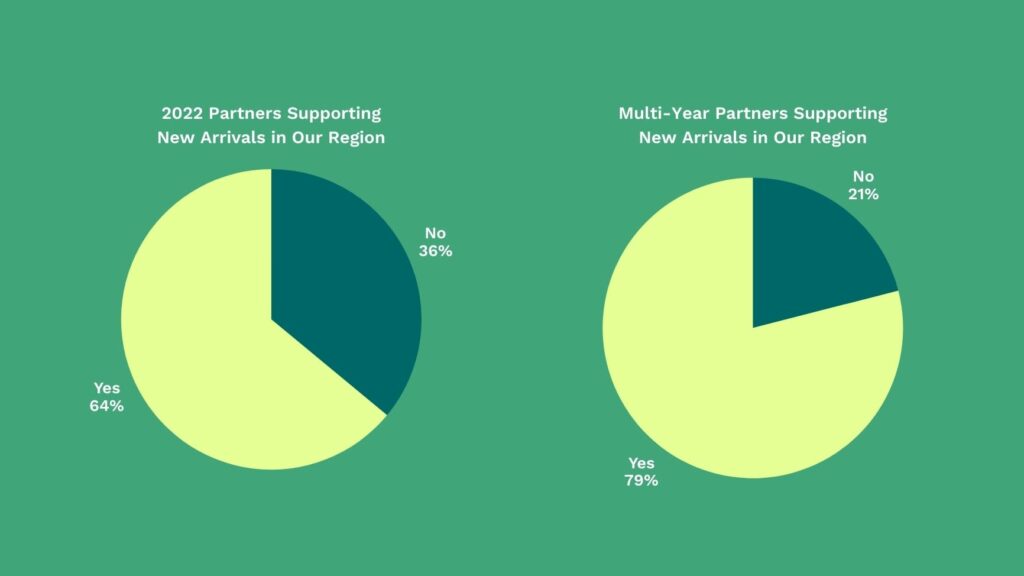
Our three-year commitment to flexible and unrestricted funding has enabled our multi-year funding partner cohort to quickly address emerging health and wellness needs in our service region, alleviating concerns about financing that work.
How have new migrant arrivals impacted their work?
Since the summer of 2022, thousands of people crossed the US border seeking asylum and have resettled in our service region, with periods of record high arrivals in the Fall and Winter 2023. Several grantee partners, particularly our multi-year partners, have played a central role in responding to their needs unmet by inadequate government response. The flexibility of multi-year funding has allowed them to act with fewer financial concerns.
When applying a racial equity lens to the data, we observed that BILPOC-led organizations tasked with quickly providing programming and responding to the needs of new arrivals were not given sufficient government support to properly handle the proposed scope of work. BILPOC leaders have long reported having less access to general operating support and capital funding compared to their White colleagues, perpetuating this inequitable investment dynamic.
Approximately half i of BILPOC-led organizations responded to increased demand for services, were expected to quickly implement programming, and/or apply for emergency funding opportunities. of BILPOC-led organizations responded to increased demand for services, were expected to quickly implement programming, and/or apply for emergency funding opportunities.
Almost half of our partners i Note: This is a qualitative data point and may likely be higher among all of our grantee partners. who have taken part in response efforts shared they were worried about financially sustaining this work in the long term, especially with an increasing number of new arrivals anticipated later this year.
Insight #3
Some organizations view sustainability as an internal goal that addresses staff and organizational culture, while others view it as an infrastructure system investment.
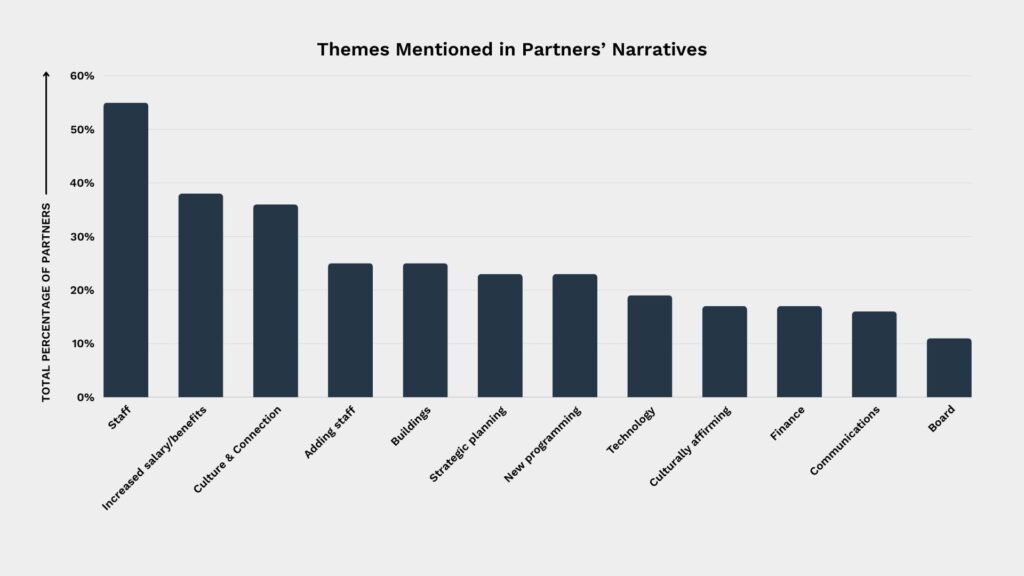
- One viewed sustainability as investing in their staff (i.e., salary increases, better or new benefit packages and professional development) and strengthening their organizational culture and connectedness.
- The second viewed it as investments in their operational or physical infrastructure, such as buildings, strategic planning, and technology.
Insight #4
There is still so much we want to learn, and we hold ourselves accountable to improving how we track and ask about racial equity efforts, especially for organizations that have been slower to move on this work.
Tracking Organizational Demographic Data
In 2018, we observed rapid demographic changes in Chicago, especially the western suburbs. However, the social service infrastructure was not evolving at the same pace.
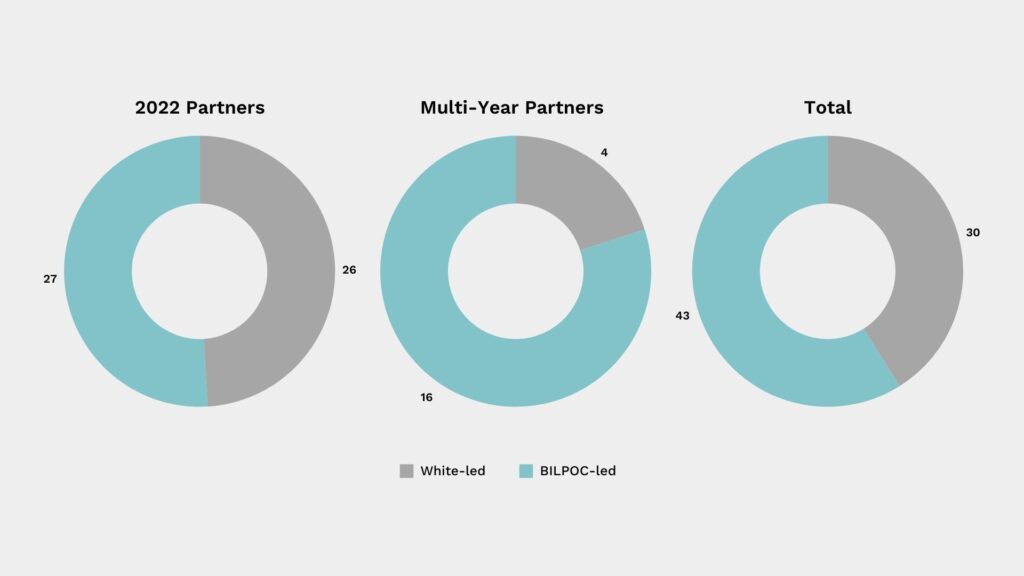
This is why we emphasize the importance of demographic data collection to advance racial equity work and foster a more racially equitable workplace as it establishes a baseline to track progress over time. Tracking this information helps organizations serve their communities better and allows us to assess our investments to avoid perpetuating inequitable funding dynamics.
Annually, we collect organizational demographic data from applicants and grantee partners to measure the impact of our grantmaking strategies. We realized that other funders also request this data, often in different ways. To streamline this process, we joined the Demographics via Candid campaign, which encourages nonprofits, including funders, to share their demographic data on the Candid platform. This partnership aligns with our trust-based approach—organizations have to only share their information once and in one place and we “do the homework” to retrieve demographic data each year.
Our Racial Equity Measure
We currently assess our partners’ racial equity efforts through a self-reported measure, where organizations locate themselves on a spectrum ranging from “not yet taking on this work” to “we have clear, targeted goals and active progress”. However, this method is not giving us the full and deeper picture of what we want to learn and how we can track racial equity outcomes over time per our Theory of Change.
Achieving racial equity is both a process and an outcome. For work we want to do with our grantee partners, we aim to refine how we measure progress and deepen our own analysis and understanding of efforts from partners leading in health justice and racial justice efforts.
Next Steps
Toward the end of this year, we plan to convene with our partners to envision future possibilities for the next five years—together. With insights from our last grant term in hand, we aim to explore how we, as a foundation, can continue supporting our grantee partners in the ways they need us to, both with flexible funding and beyond the check, and co-create a better, healthier future for all community members in our service region.
A summary of the insights from this report that may be relevant and beneficial to our local or national funder peers.
Last year, we published our first learnings report since implementing our evaluation framework in 2021 based on grantmaking and grantee partner data from the 2021-2022 grant term.