Power in Partnership
Funding Health Equity Through Trust & Flexibility
2023-2024 GENERAL OPERATING SUPPORT GRANTMAKING DIGITAL REPORT
About This Report
This report highlights how our 2024 grantee partners and first multi-year (2021-2024) cohort have used general operating support to address barriers to care, opportunity, and well-being, which are key to advancing health equity across our region. Grounded in our Theory of Change and evaluation framework, these insights reflect an iterative learning process that began with 2024 grant reports and in-person reflections with our first multi-year cohort, and continued with feedback from our second cohort in early 2025.
Together, these perspectives show how flexible funding fuels resilience, innovation, and systems change across our region, while also shedding light on the ongoing challenges and emerging opportunities in our region’s health equity landscape.
Looking ahead to the rest of 2025 and into 2026 and beyond, the insights from the 2023-2024 grant period are informing the next phase of our grantmaking strategy in response to what we have learned from our partners and the shifting political and economic landscape. Our belief that advancing health equity demands addressing root causes of health inequity with longer-term investments in systemic change and justice-centered work is being reaffirmed in this moment. This perspective is shaping how we think about our partnerships and where we will direct our support moving forward.
Recent HCF Learning Reports
Key Learnings
- Staffing was the top investment. Flexible and committed funds enabled partners to raise salaries, expand wellness support, and hire key roles, especially critical during the peak of staff burnout in 2022.
- Multi-year support deepens impact. Partners cited strategic capacity building moves made possible by our three-year commitment, which were essential in responding to urgent and evolving needs.
We launched Resilience grants in 2022 based on these insights to support one-time efforts that strengthen organizational resilience. We designed these grants to elevate and deepen the expertise of local health leaders, regardless of title or role, with a particular focus on smaller-budget organizations.
Key Learnings
- Rising Operational Costs. Inflation drove up expenses, making flexible funds essential for covering wage disparities, operational essentials, and programmatic expansion.
- Specialized Staff and Knowledge Retention. Flexible funds helped policy and advocacy organizations retain specialized staff and preserve institutional knowledge.
- Strengthening Connections. Some partners valued our light-touch approach, while others called for more structured convenings and deeper engagement across the local health ecosystem.
In 2023, we began reviewing our multi-year and annual partners to develop a recommendation for a second multi-year cohort that would include more partners (20 to 32) for an extended grant period (3 to 5 years), based on what we learned from them.
Emerging Pressures on Community Health
Together, the data reveal how flexible funding enables rapid response and how sustained, trust-based investment fosters long-term impact. This deepens our understanding of what it takes to advance resilience, responsiveness, and systems change in the HCF region.
Emerging Pressures on Community Health

Rising Cost of Housing
- Organizations with budgets under $1M were most likely to flag housing costs as a top concern.
- Partners note that affordable housing is not always healthy, citing issues like poor air quality and unsafe built environments.
Mental Health Access
- BILPOC-led organizations were more likely to cite mental health (especially youth mental health) as a priority.
- Concerns include long waitlists, a lack of providers offering culturally or linguistically relevant care, and rising suicidal ideation among youth.
Food Access and Affordability
- Inflation strained household budgets, forcing families to make tough choices between food, housing, and medication.
- Organizations in food security reported a significant increase in emergency food requests.
Historically, spikes in pantry usage have correlated with rising gas prices or unemployment rates. However, in 2024, the increase suggests a more sustained level of food insecurity, which signals a growing reliance on emergency food resources.
Multi-Year Funding Partners
Listening and Learning
“Our communities are not simply objects of change. They can change their own lives.”
Our Board announced a five-year commitment for the next cohort of multi-year partnerships (2024-2029), reinforcing the Foundation’s belief that long-term investment is key to a meaningful impact on the health and well-being of community members in our region.
This represents a significant $20M+ investment over five years, more than a third of our total funding since 2017 and reflects our deepening commitment to long-term partnerships that sustain organizations and support systemic change in our service region.
“Flexibility of funding is appreciated and not jumping through hoops to get funds is huge.”
TEAM REFLECTIONS
Centering Community Through Flexible, Multi-Year Funding
Read outgoing Director of Programs Nora Garcia’s reflection on the evolution and expansion of our multi-year funding strategy.
Building for the Long-Haul
Organizational Sustainability
Investing in People, Systems, Structures
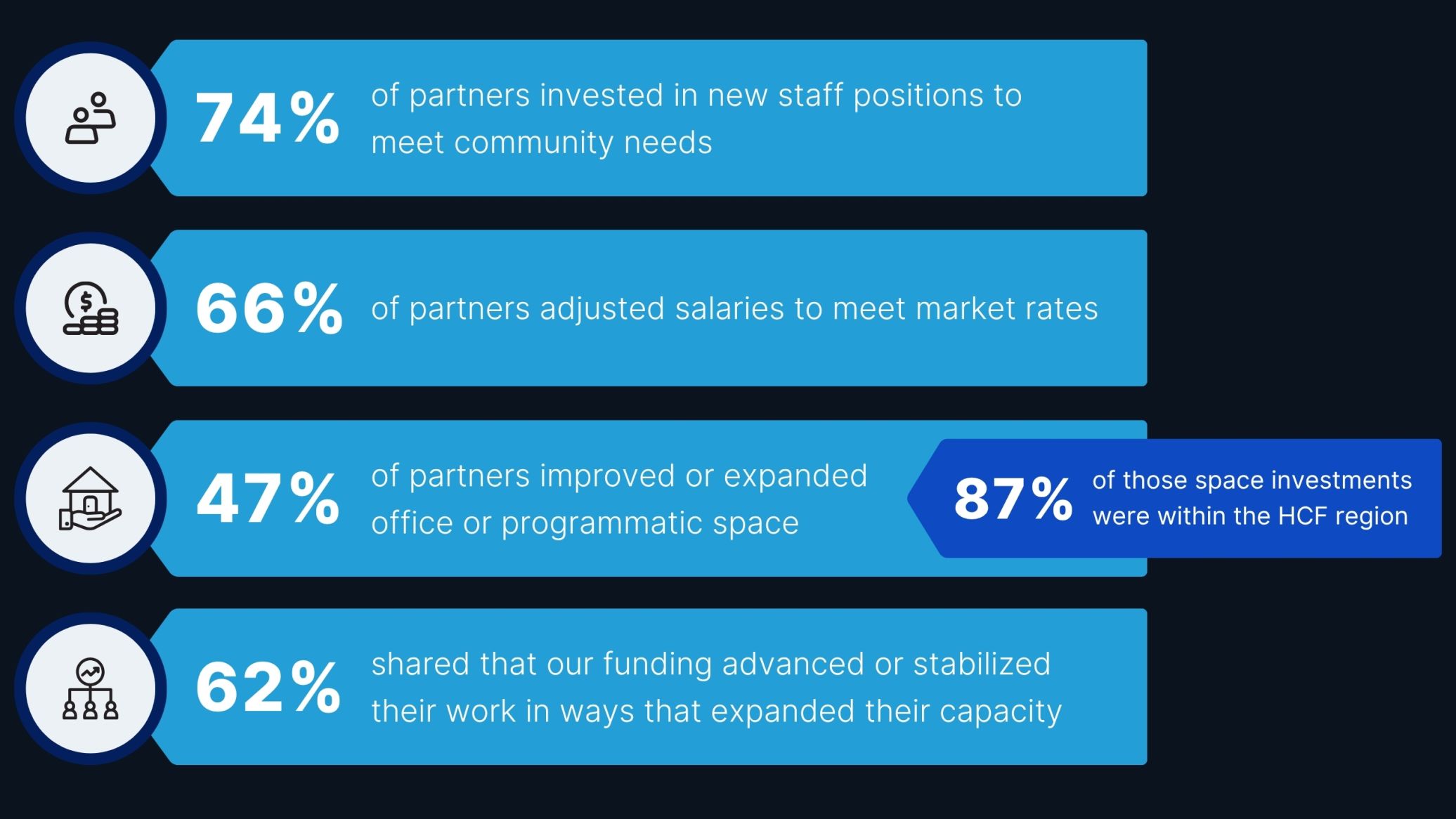
Most grantee partners emphasized that the value of general operating support lies in its flexibility, allowing them to direct resources where needed most, especially in staff, the heart of nonprofit work. Flexible funds supported well-being, leadership development, and staffing needs while expanding organizational capacity. This was particularly important for suburban and regional partners facing rising demand amid shifting demographics and the political and economic environment, creating complex, urgent needs.
“We’ve invested significantly in staff morale, communication and wellness. This is shaping our organization’s culture and strategy.”
However, the strategies that keep teams connected and resilient often fall outside traditional budgets. Flexible funds allowed partners to prioritize these investments, which are essential for long-term sustainability.
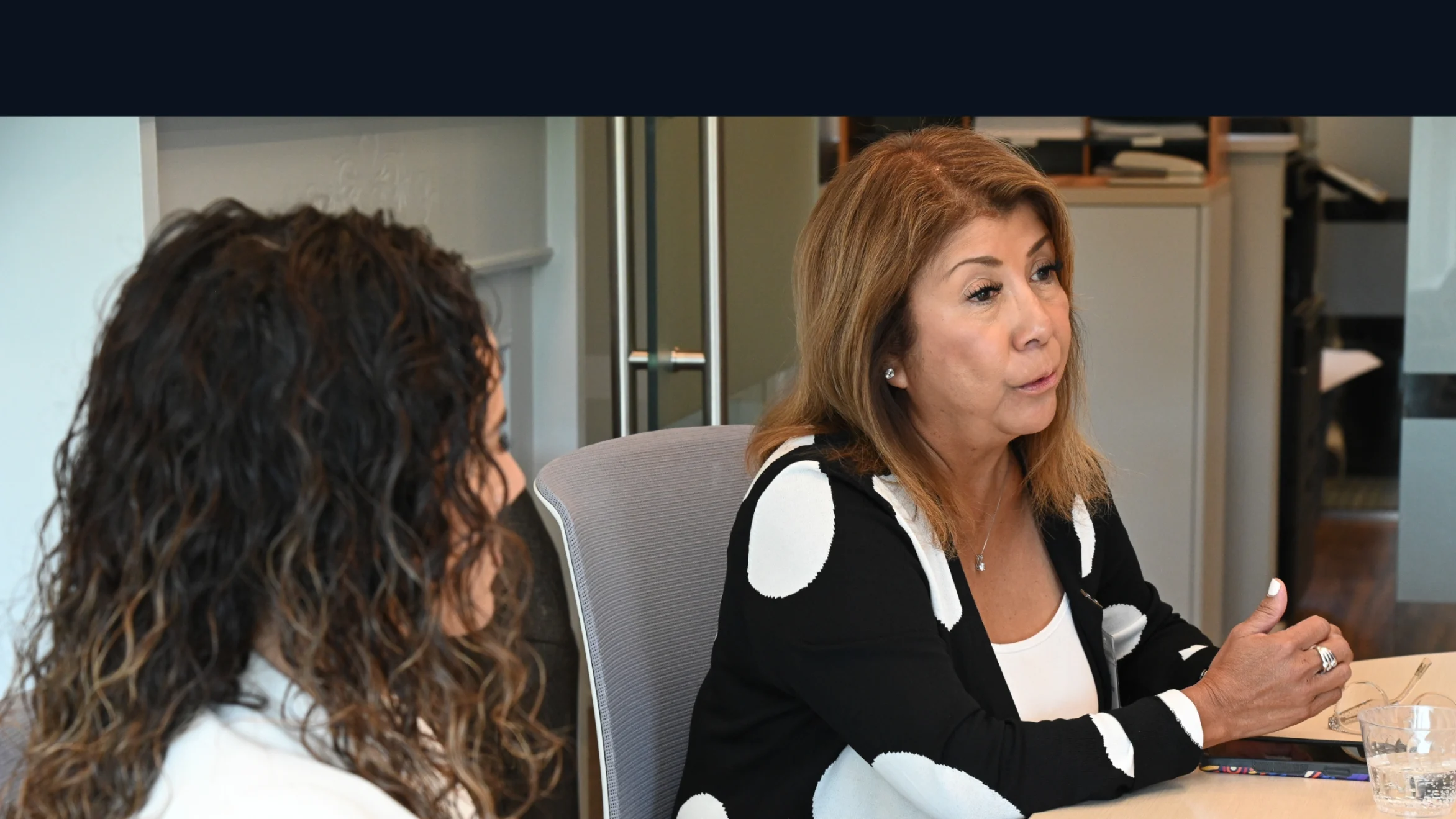
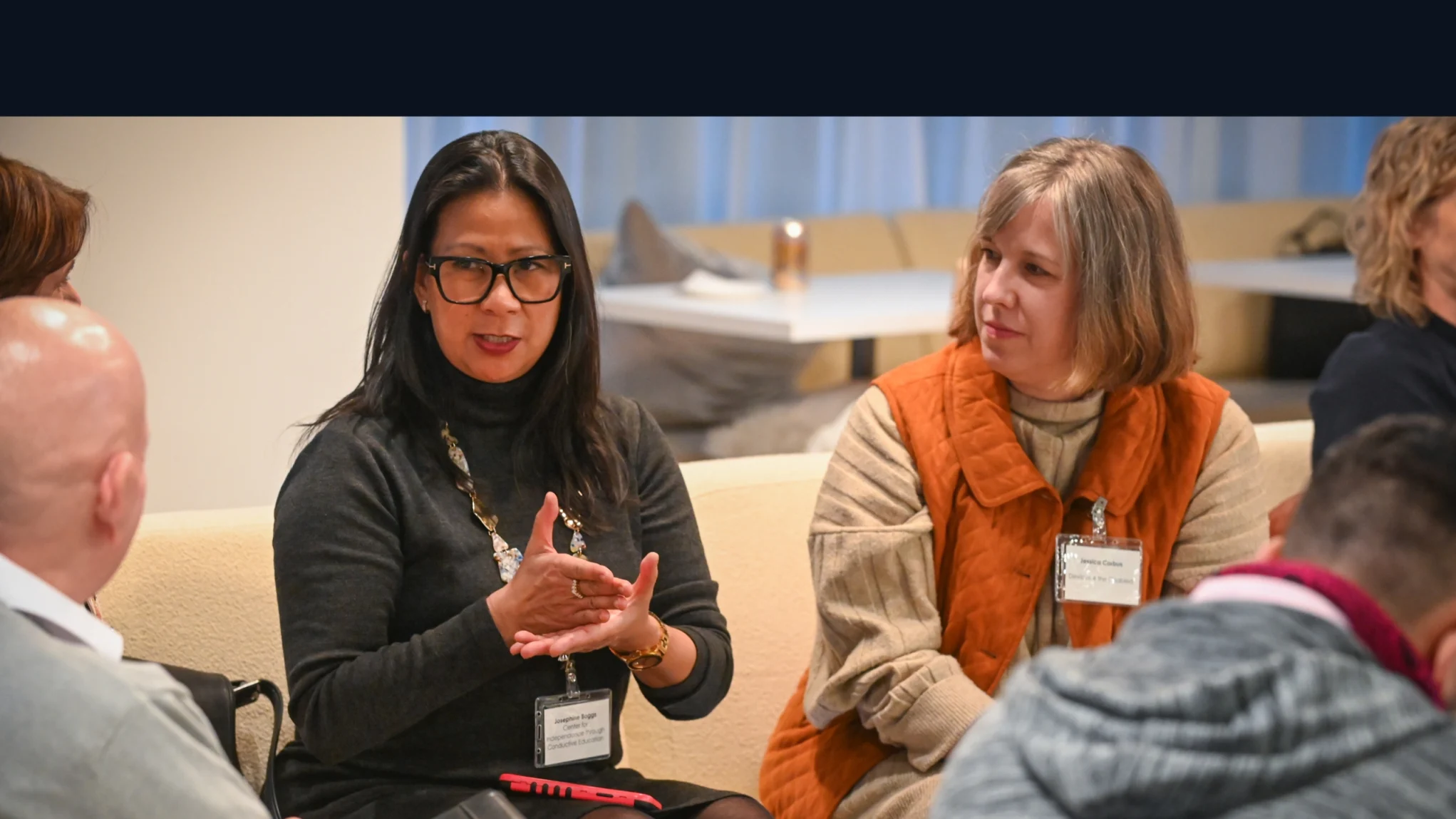
Centering Connection as a Strategy for Sustainability
For BILPOC-led organizations and those with budgets under $1M, “connection” was key to sustainability. This included:
Internal: Partners prioritized team cohesion and culture through mental health days, cross-program collaboration, and celebrating wins, which are critical to staff retention and values-driven work.
Community: Sustainability was supported by deeper community engagement, such as hiring bilingual staff, strengthening alum networks, and participating in local community convenings to build trust.
Public Sector: Some partners aligned with government priorities or co-designed services with public institutions, positioning themselves for long-term funding and policy impact.
Partners, particularly those who received ARPA funding, also used flexible funds to strengthen the physical infrastructure and internal systems that make high-quality services possible. From improved office space to better technology and operations, these often-overlooked investments are key to long-term resilience.
“We know that human service work is hard, and we want to be an employer of choice in the sector.”
TEAM REFLECTIONS
Healing & Resilience: Building a Leaderful Health Ecosystem
Financial Health Realities
Covering the True Cost of Community-Centered Work
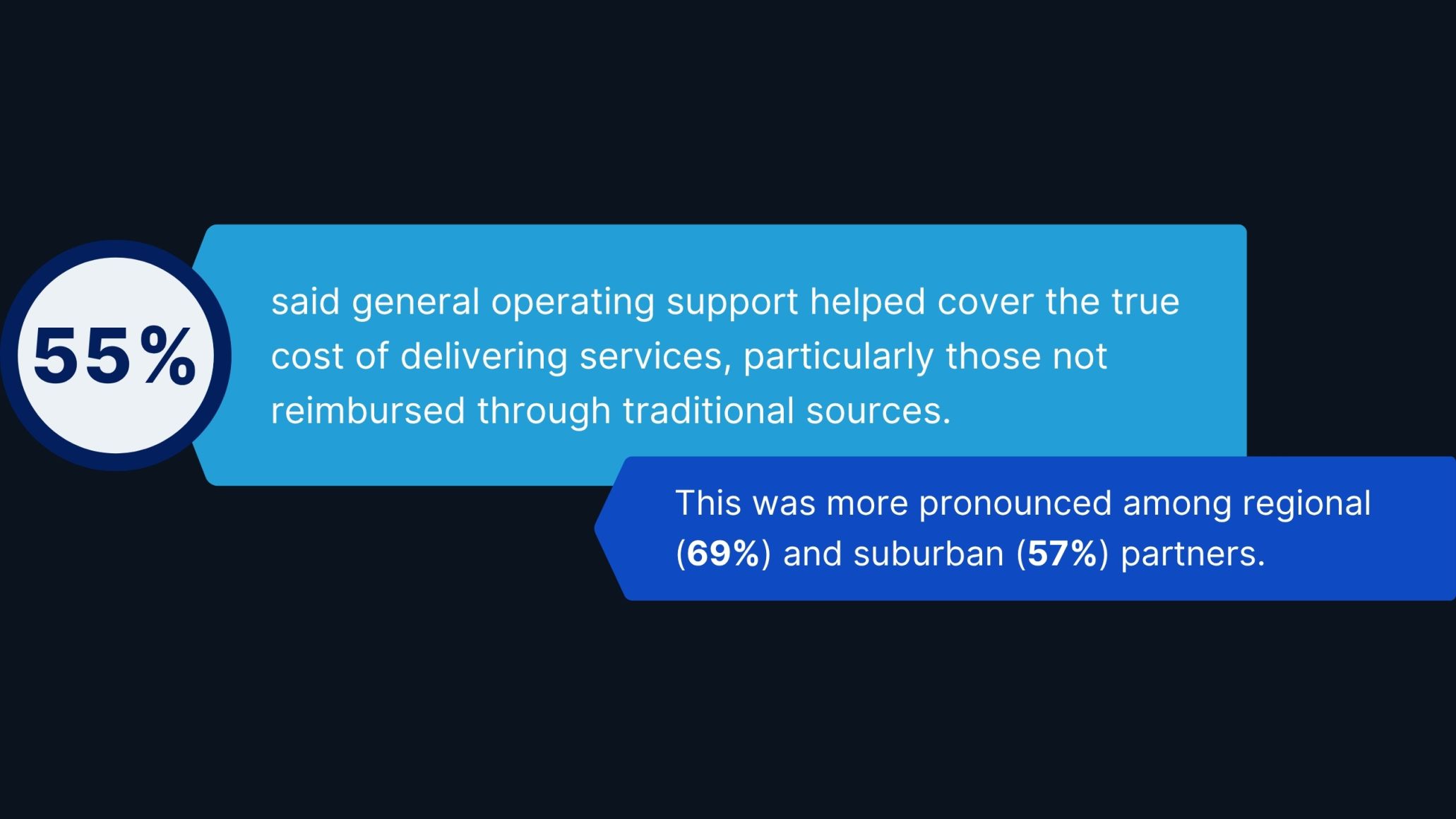
“Flexible funds allowed us to respond to community with intention—co-creating, adapting programming based on feedback, and staying grounded in our values. This flexibility helps us listen well and convene with youth and neighbors.”
TEAM REFLECTIONS
Why Systems Change Needs a Long-Term Commitment
Financial Health Realities
Disparities in Funding
When asked about financial health milestones in the past year, white-led and BILPOC-led organizations reported different realities:
Rank | White-Led Organizations | BILPOC-Led Organizations |
|---|---|---|
1 | Met budget (78%) | Invested in new staff (74%) |
2 | Adjusted salaries to market (74%) | Adapted a program/service (69%) |
3 | Invested in new staff (74%) | Joined a coalition/taskforce (66%) |
While white-led organizations reported more signs of financial stability, BILPOC-led organizations prioritized investments in people, programming, and collaboration, often with fewer resources and less secure funding.
We believe those closest to the issues are best positioned to drive solutions. These findings affirm our commitment to data-informed, community-led strategies and to long-term, flexible support, especially for organizations that have historically been underfunded. Many of our BILPOC-led partners are leveraging this support to attract new funding, grow their teams, and expand their community impact.
*Recommended Reading from Candid Highlighting Funding Disparities
“Women in the Nonprofit Sector: Underrepresented, Underpaid, Underfunded—But Making Progress” An honest look at the persistent gender inequities in the sector, with a hopeful lens on how women are leading change despite systemic barriers.
“Black Women and Gender-Expansive Nonprofit Leaders: Combating the Absence of Trust” This explores how deep-rooted biases erode trust in Black women and gender-expansive leaders, and what it takes to build it back.
“The More You Know: Key Facts About Black Nonprofit Leadership” A snapshot of data-backed insights about the realities facing Black nonprofit leaders, produced in partnership with ABFE.
“The State of Diversity in the U.S. Nonprofit Sector” This report offers a summary of the nonprofit sector’s demographics—race, gender, sexual orientation, and disability status—to increase transparency and highlight key trends.
TEAM REFLECTIONS
Our Work by Rivers and Streams
Read Program Manager of Learning & Evaluation Gillian Knight’s reflection on how our investments support a more connected, responsive health ecosystem, and the essential roles our partners play in advancing community health across diverse needs.
At HCF, we often describe our work using the metaphor of a stream, which is a powerful image that reflects the interconnected nature of community health and the roles our partners play across different points of community needs.
- Upstream work involves addressing the root causes of health inequities by shifting systems and structures to prevent harm before it happens.
- Midstream work connects upstream and downstream efforts, ensuring collaboration and real-time insights flow into policy and systemic solutions.
- Downstream work responds to urgent needs, providing direct services and resources to individuals and families.

In this work, we are reminded that no one is alone. While not everything can be done all at once, these interconnected efforts to address root causes of health inequity—when woven together—become stronger than the sum of their parts.
Through our investment in these community health weavers, we are helping to strengthen a more connected, responsive, and sustainable ecosystem, one that supports health and healing now and a healthier world in the future.
Learning & Evaluation at HCF

Learning and Evolving in Partnership Toward Health Equity
Our Program Manager of Learning and Evaluation Gillian Knight introduces our Theory of Change for general operating support and provides context on how it was developed and what we hope to learn from our grantmaking.

In collaboration with health leaders in our region, we developed a framework that helps us assess how our work is creating change, addressing organizational and community needs, and achieving measurable impact.